Customization & Sampling
How to Attach Lace Appliqués Without Losing Their Shape
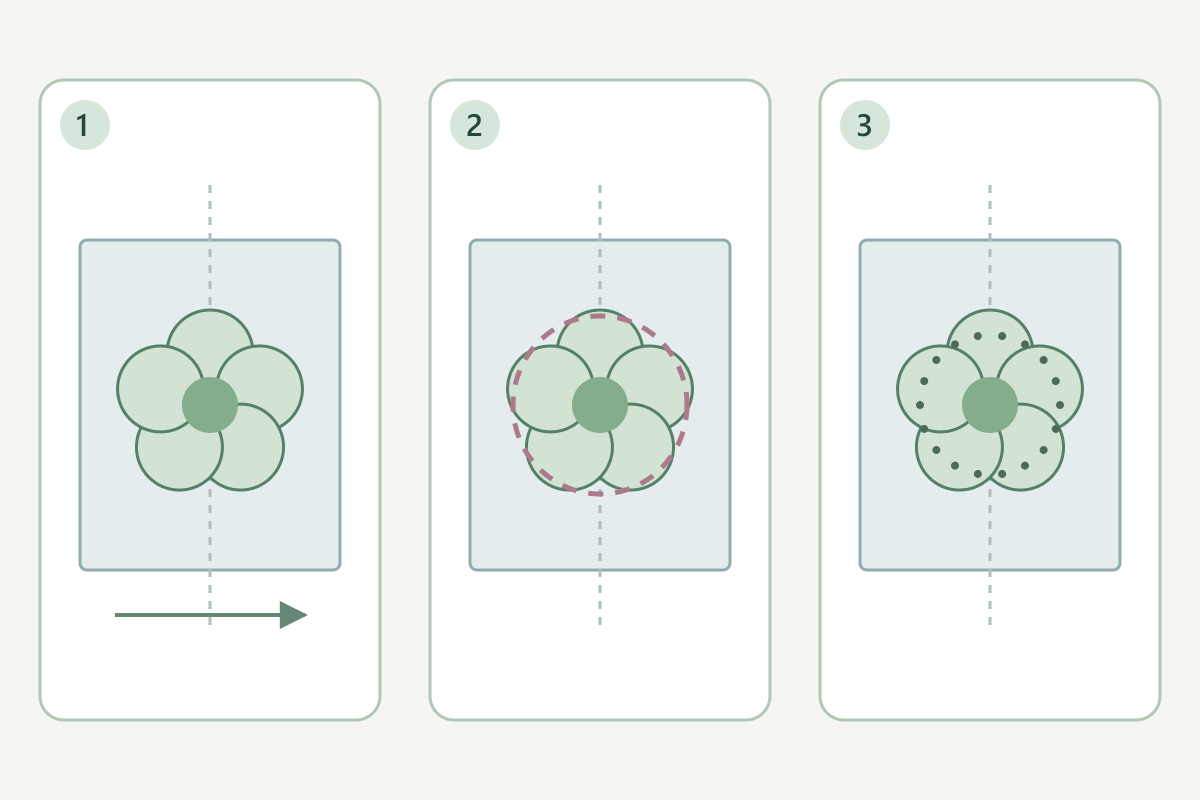
Position the appliqué on the relaxed garment layer, baste it temporarily, then sew through supporting parts of the motif and the intended base. Choose hand or machine work from the access and decoration, rather than using one stitch for every flower. A small trial establishes the route before you sew the finished garment.
1. Prepare the appliqué and the actual base
Work with the same base, lining arrangement and appliqué construction planned for the garment. Identify the face, orientation and stable stitched areas. If the motif must be separated from a larger fabric, first establish a cutting boundary on spare material that leaves the supporting connections intact. Keep a reference image of the complete motif. Avoid cutting deeply between petals merely to achieve a closer outline; an apparently decorative bridge may be part of the structure holding the piece together.
2. Mark placement while the garment layer is relaxed
Lay the base flat or support it in the shape needed for the garment area. Mark centre lines and reference points outside the visible decoration, using a removable method already checked on a spare piece. Place the appliqué without stretching either layer and inspect the whole outline. For a paired arrangement, compare the two sides in the same viewing position. Keep openings, closures and seam allowances accessible, and leave the lining out of the attachment route if it is meant to remain free.
3. Baste and check the position again
Use temporary hand basting through suitable supporting areas to hold the motif and base together. Keep the basting distinguishable from the final stitch route so it can be removed without disturbing attachment. Lift the supported piece and check that the base has not been drawn into puckers or the motif stretched wider. Adhesive is an alternative only where the particular materials and later care allow it; the hand-basted trial provides a starting method without introducing glue or a compulsory heat step.
Technical references
4. Choose an attachment route you can control
Hand sewing is useful around irregular edges, raised decoration or places that are awkward to reach under a machine. Take stitches through stable motif areas and the intended garment layer, keeping the work supported and the tension even. Machine attachment suits an accessible route on a compatible trial; select the stitch and foot from the machine instructions, and examine how they cover the edge. Keep hard beads or sequins out of the needle path rather than forcing the machine through them.
| Route | Useful situation | Trial observation |
|---|---|---|
| Hand attachment | Irregular edge or restricted access | Base stays smooth around each stitch |
| Machine attachment | Accessible, compatible supporting edge | Stitches hold the motif without cutting the base |
| Combination | Simple outer sections and complex details | Transitions remain secure and visually even |
5. Sew in manageable sections
Begin in a stable area, follow the trial route and support the weight of the surrounding garment. Work around the outline in short sections rather than pulling the next edge towards the needle. Add internal anchoring only where the motif would otherwise lift and where the stitch can sit unobtrusively. At a direction change, stop and reposition according to the machine or hand method. Secure thread ends without creating a hard lump, and remove temporary basting carefully after checking the permanent attachment.
6. Inspect the face, reverse and garment movement
View the piece flat and in its intended position. Look for lifting tips, loose internal sections, visible knots and trapped lining. Move the garment as its use requires and see whether the appliqué pulls the base or catches a neighbouring edge. Record any adjustment on the trial, including route and layer arrangement, before repeating it elsewhere. The useful result is a repeatable attachment sample that the garment team can inspect, not merely a tidy close-up photographed before the piece is moved.
- Motif outline retained.
- Base smooth in the intended shape.
- Edges and necessary internal areas held.
- Closures, seams and free lining unobstructed.
- Trial method and thread route recorded.
Discuss your embroidery project
Share the appliqué shape and intended base with All4Lace to discuss a material sample suited to your garment team’s attachment trial.
Contact Zhijin