Sourcing & Orders
Evaluating Lace Fabric Drape: What a Sample Can and Cannot Show
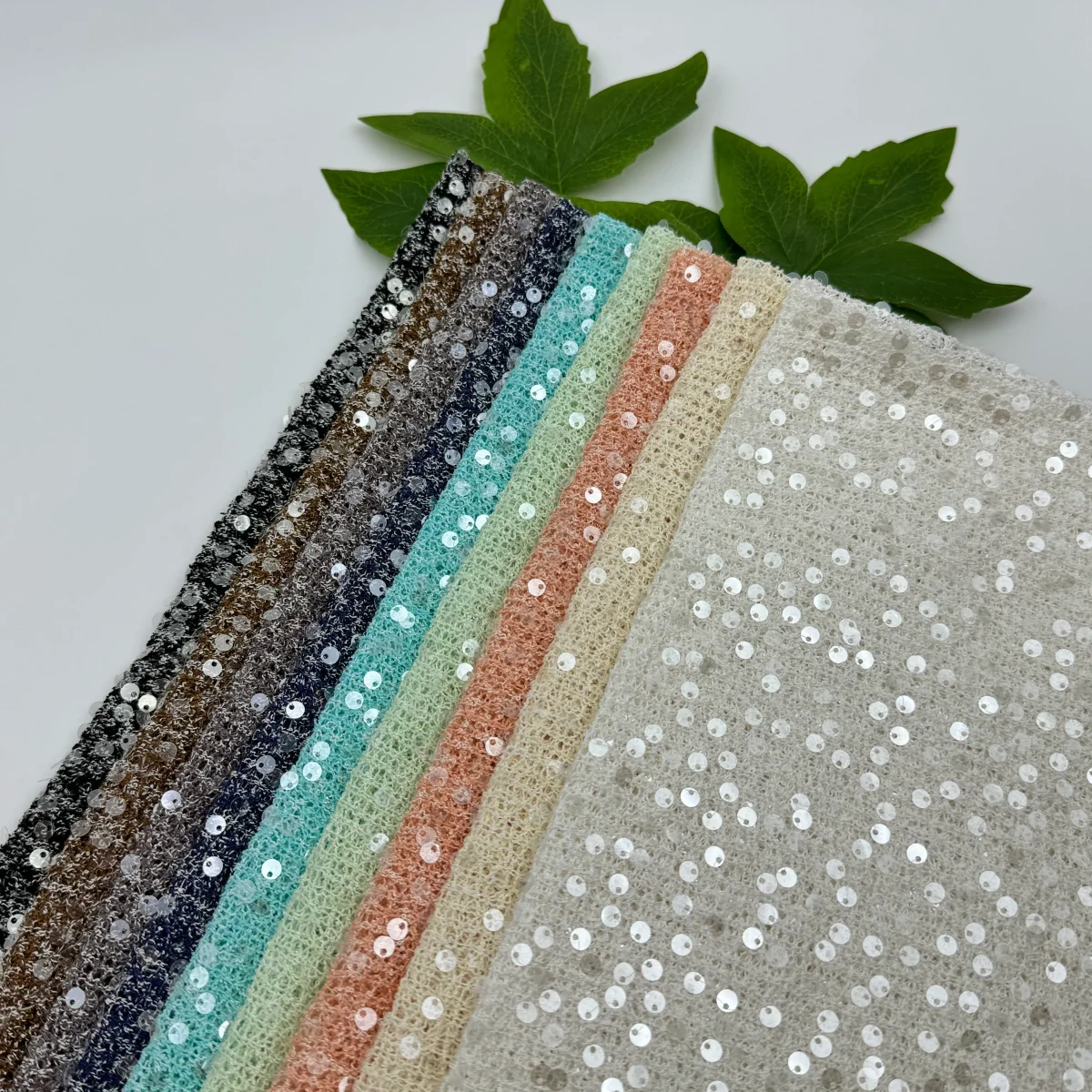
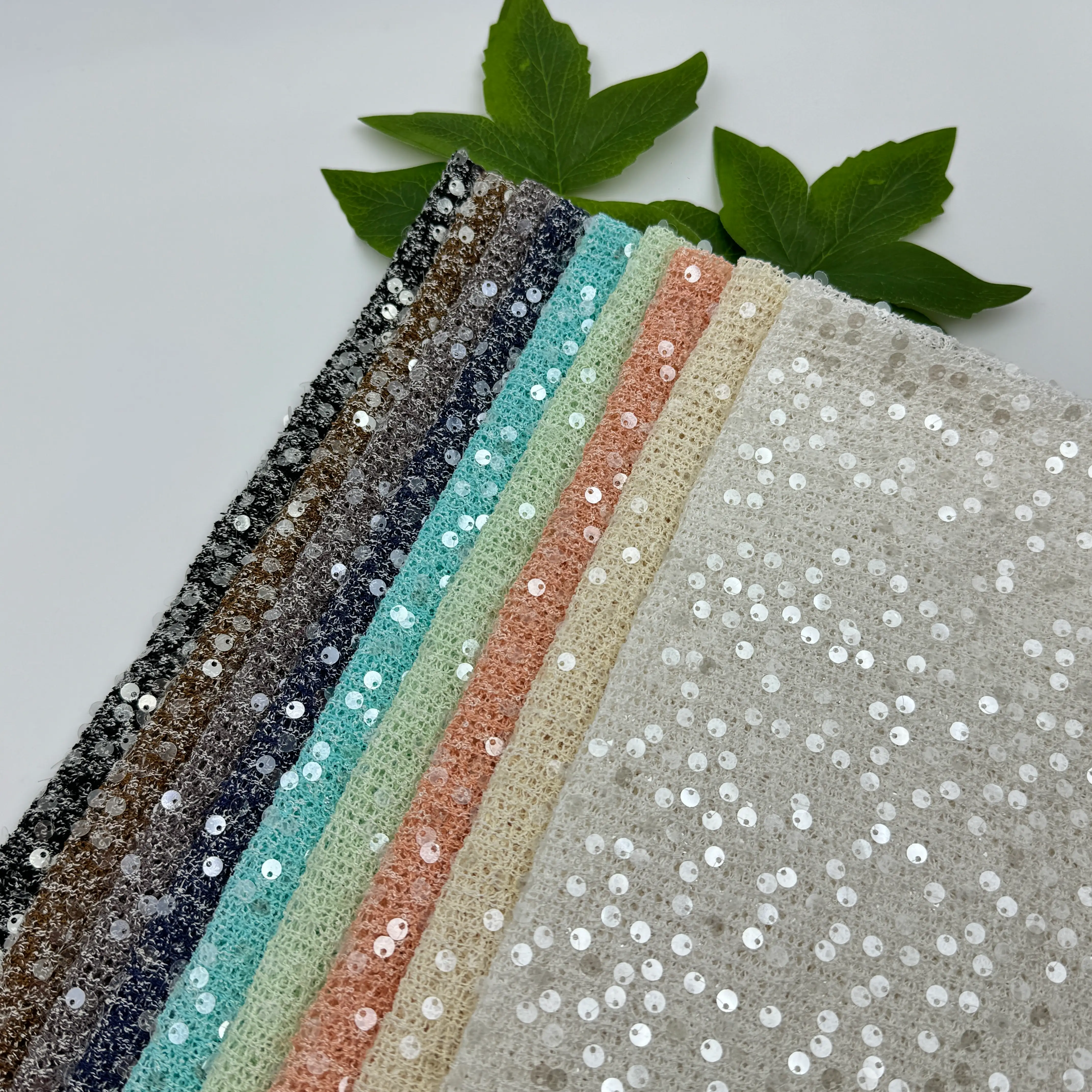
Drape is the way a fabric falls into shape when supported. For purchasing, compare actual samples in a consistent setup and then at the intended garment position. A small swatch can suggest local handling, but it cannot establish the behaviour of a full skirt or a layered garment.
Start with enough material for the question
A sample that fits in the palm is useful for examining the surface and handling a small area. It may contain only part of a motif and too little material to form the folds the garment maker wants to see. Before judging it as “fluid” or “stiff”, record its dimensions and whether the sample includes typical decorated and open areas.
For a comparison, use pieces of equivalent dimensions where possible. If one sample is much larger or has a different border, note the mismatch instead of giving the two materials a confident ranking. A larger cut should be requested when the intended panel needs more information, not simply because large samples look more persuasive.
Keep the material direction identifiable
Mark the intended garment-up direction outside the decorated area, and identify the relevant edge or length direction. Observe the sample in the orientation the panel will use. Turning one piece sideways while keeping another upright can hide an important difference in the planned application.
If the design might be used in another orientation, make that a separate observation. Do not infer stretch, recovery or fibre content from the way it hangs. Those are separate questions requiring appropriate information or evaluation. Keep the original orientation visible in any short video so another person can repeat the comparison.
Compare the same support and movement
Use the same support shape and supported area for each sample, without stretching one into a more flattering shape. Record whether it is hung from an edge, placed over a form or held at specified points. Let the material settle before describing the folds, and show an overall view rather than only the prettiest close-up.
A short video can show whether the folds change as the support or viewing angle moves gently. Keep the movement comparable, and note slipping, curling or restricted movement rather than forcing the cloth. This is a buyer’s visual observation. ISO 9073-9 describes a defined method for determining drape coefficient; an informal hanging demonstration is not that result.
Technical references
Repeat the observation with the intended layers
View the lace alone first, then with the intended lining or supporting layer and the attachment arrangement proposed by the garment team. State whether the layers are loose, temporarily positioned or sewn. A layered sample should not be labelled as the behaviour of the lace by itself.
Consider the actual garment region. A neckline, fitted sleeve and skirt panel are supported differently. Use the relevant pattern or garment trial to decide what the observed folds mean for that application. Do not promise a garment outcome from a catalogue photograph that shows only a folded pile of material.
Describe the observation before deciding suitability
A useful note describes visible behaviour: where the cloth forms folds, whether the border turns outward, and whether the decoration remains in the desired position. For an illustrative comparison, sample A might form a broad fold while sample B forms several narrow folds under the same setup. These are example descriptions, not test results for our products.
Conclude with the next decision: suitable for further garment trial, a larger sample needed, or another material to compare. If a numerical requirement is necessary, agree an appropriate test and sample plan with the relevant specialist instead of converting a hand-held impression into a laboratory number.
- Record dimensions and sample origin.
- Identify intended garment direction.
- Use a repeatable support and movement.
- Label layers and attachment state.
- Separate visual selection from formal measurement.
| Record | Keep comparable | If missing |
|---|---|---|
| Sample dimensions | Same area and relevant motif | Request a representative cut |
| Orientation | Intended panel direction | Repeat the view with a marker |
| Support | Same held area and shape | Do not rank the samples |
| Layering | Same proposed combination | Separate lace-only observations |
Discuss your embroidery project
Tell All4Lace the garment area and layers you plan to use, and discuss a sample size that can support a meaningful drape comparison.
Contact Zhijin