Materials & Applications
Cording vs Taping Embroidery: What Buyers Should Specify
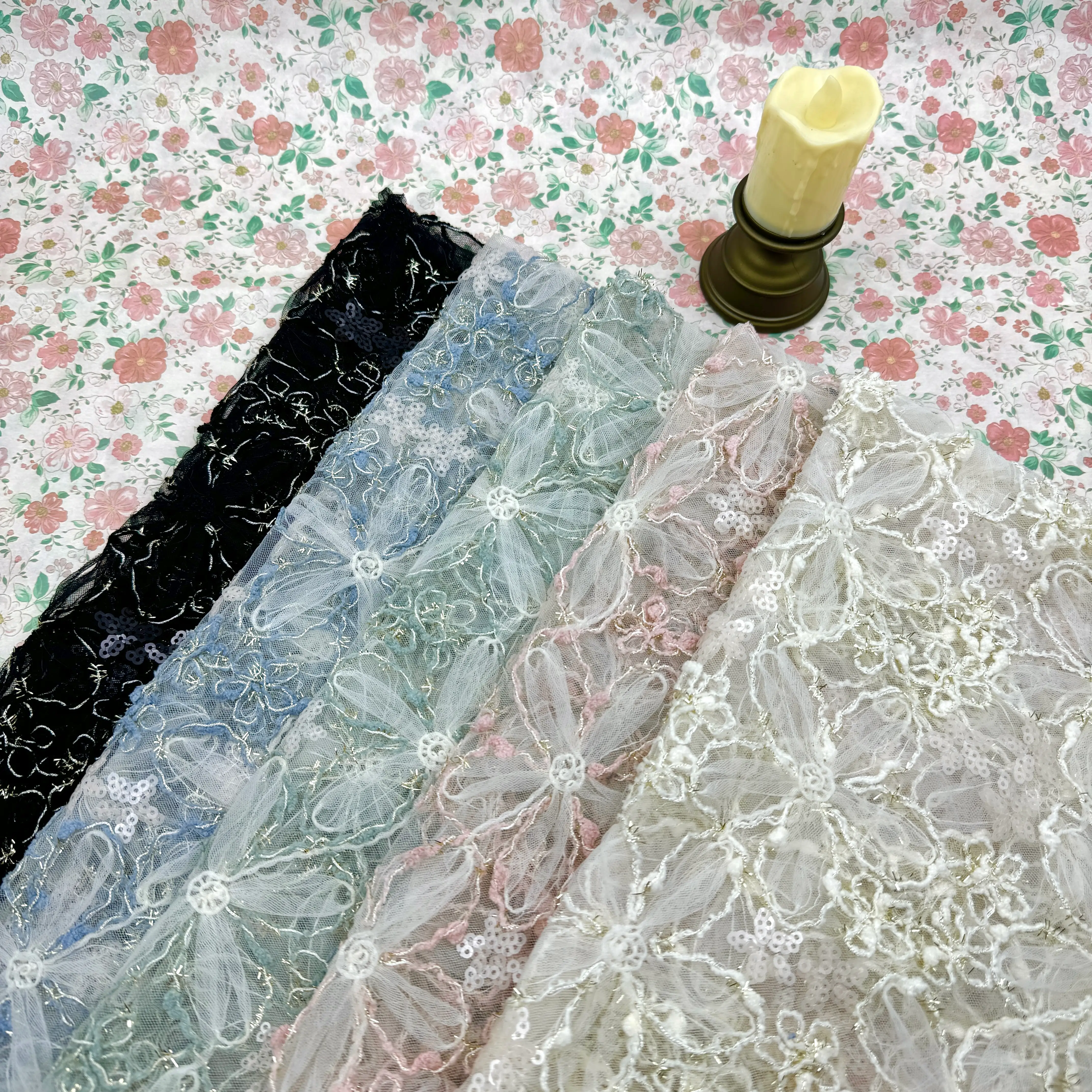
A raised decorative line in a photograph does not tell a buyer everything about its construction. For cord or tape embroidery, the useful question is how the selected material follows the motif and works with the garment. Start with a physical reference and a measured drawing before comparing quotations.
Identify the decorative material first
Tajima’s technical overview describes embroidery that secures cord and tape materials. This is a process reference, not evidence of a particular machine model at Zhijin. For your enquiry, label the actual cord or tape sample and ask the supplier to confirm its composition and dimensions.
As a briefing distinction, ask whether the intended effect is a rounded cord-like line or a flatter tape-like surface. Trade names can vary. Photograph the face, edge and reverse beside a scale, and record the agreed material reference rather than treating every raised line as interchangeable.
Technical references
Review curves, corners and joining points
Mark the tightest curve, a corner, a line crossing and the start or end of a motif on the drawing. Ask for these areas in the trial sample. A long straight strip alone cannot show whether the design’s difficult transitions meet your appearance requirement.
Agree what should be visible at a join and whether an exposed end is acceptable at that location. Compare the approved layout with the sample without stretching it into position. Record any lifting, bunching or unwanted gap as an observation for revision rather than diagnosing a cause from one image.
Leave room for garment assembly
Place the sample against the intended pattern and lining. Mark the seam line separately from the decoration boundary, particularly near necklines, cuffs and fastenings. Ask the garment maker whether the proposed placement leaves sufficient space for the intended sewing operation.
Where cord or tape is combined with sequins or beads, approve the combination as a whole. Include a representative decorated join in the sewn trial. The catalogue reference illustrates a design direction; its name alone does not establish current dimensions, material availability or suitability for your garment.
Turn the sample into an order reference
For continuous decorated fabric, specify the decorated width and motif repeat as well as the purchase unit. For individual pieces, state the finished outline and quantity by size or version. Keep these formats separate when comparing prices, because a metre of fabric and a shaped piece describe different deliverables.
Retain the dated sample, drawing revision and agreed colour reference together. Confirm any required care or attachment evaluation for the actual construction before bulk approval. If the decorative material or base changes, identify the change explicitly and decide which parts need another sample.
- Labelled cord or tape reference and confirmed composition
- Marked curves, joins and seam clearances
- Actual base, lining and mixed decorations
- Approved drawing version, unit and sample date
Discuss your embroidery project
Send Zhijin the product reference, a measured motif drawing and the intended garment placement. We can discuss the material options and trial areas to confirm before quotation and sampling.
Contact Zhijin