Quality & Delivery
How to Discuss Puckering in an Embroidery Sample: A Buyer’s Review Record
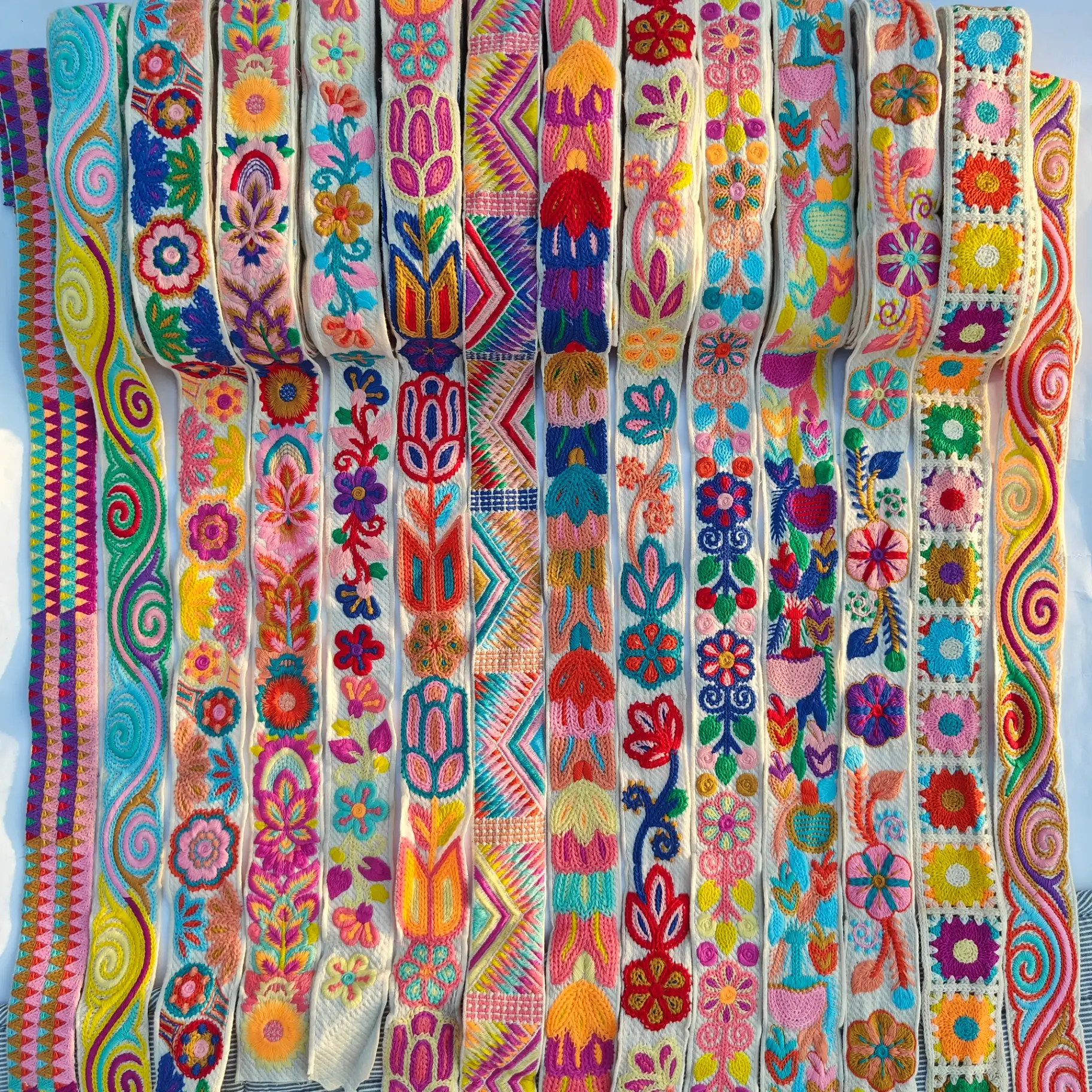
If a sample shows waves or wrinkles, record the observation before assigning a cause from one photograph. Intended raised texture, curvature from hanging and unwanted distortion need different descriptions. A clear record gives the next sample revision a useful target.
Describe where and when it appears
Mark the location and photograph the whole sample, detail and reverse. State whether it is flat, hanging or sewn into a panel. Include a scale reference so changes caused by the viewing angle or pulling the material are not confused with the same production issue.
Relate the requirement to its application: should the area lie flat, or is intentional texture part of the design? Use an agreed sample or annotated drawing. A textured catalogue description does not make every wrinkle acceptable, while intentional shaping is not automatically a defect.
Record material and processing conditions
Identify the base, embroidery thread, support, design version and finishing or sewing already performed. Number trials separately if the same motif uses different bases. Do not replace unknown materials with similar names; photographs alone do not establish composition.
Madeira identifies several possible contributors to puckering, including digitizing, tension and stabilisation. Buyer records should support the production team’s investigation rather than prescribe universal machine settings from photographs. Adjustments need trials with the actual material combination.
Technical references
Make each trial comparable
Label each sample with its version and principal change, such as the base, digitizing or assembly conditions. Keep the other comparison conditions identifiable and use the same viewing arrangement. If several items change together, list them so the outcome can be interpreted.
For garment applications, retain separate records for the flat sample and agreed sewn panel. Identify whether the concern was noticed after embroidery, finishing or sewing. Define care evaluation separately where needed; an improvised treatment should not replace the agreed approval process.
Agree appearance criteria and remaining actions
Specify viewing condition, comparison sample and measurement method, marking acceptable areas and points needing improvement. Different lighting and sample arrangements do not provide a consistent batch comparison. Avoid assigning a universal wrinkle tolerance without an agreed basis.
Link the final record to the approved material combination and sample version. Revisit its applicability if the base, motif or assembly changes. Zhijin can discuss revisions from specific observations, while approval remains tied to the actual sample and agreed conditions.
- Whole, detail and reverse photographs
- Materials, version and processing stage
- Changes introduced in each trial
- Comparison sample and review conditions
Discuss your embroidery project
Send Zhijin the sample identifier, marked photographs, base information and garment application. We can clarify the observation before agreeing what the next trial should investigate.
Contact Zhijin