Customization & Sampling
Custom Embroidery Development: From Design Brief to Sample
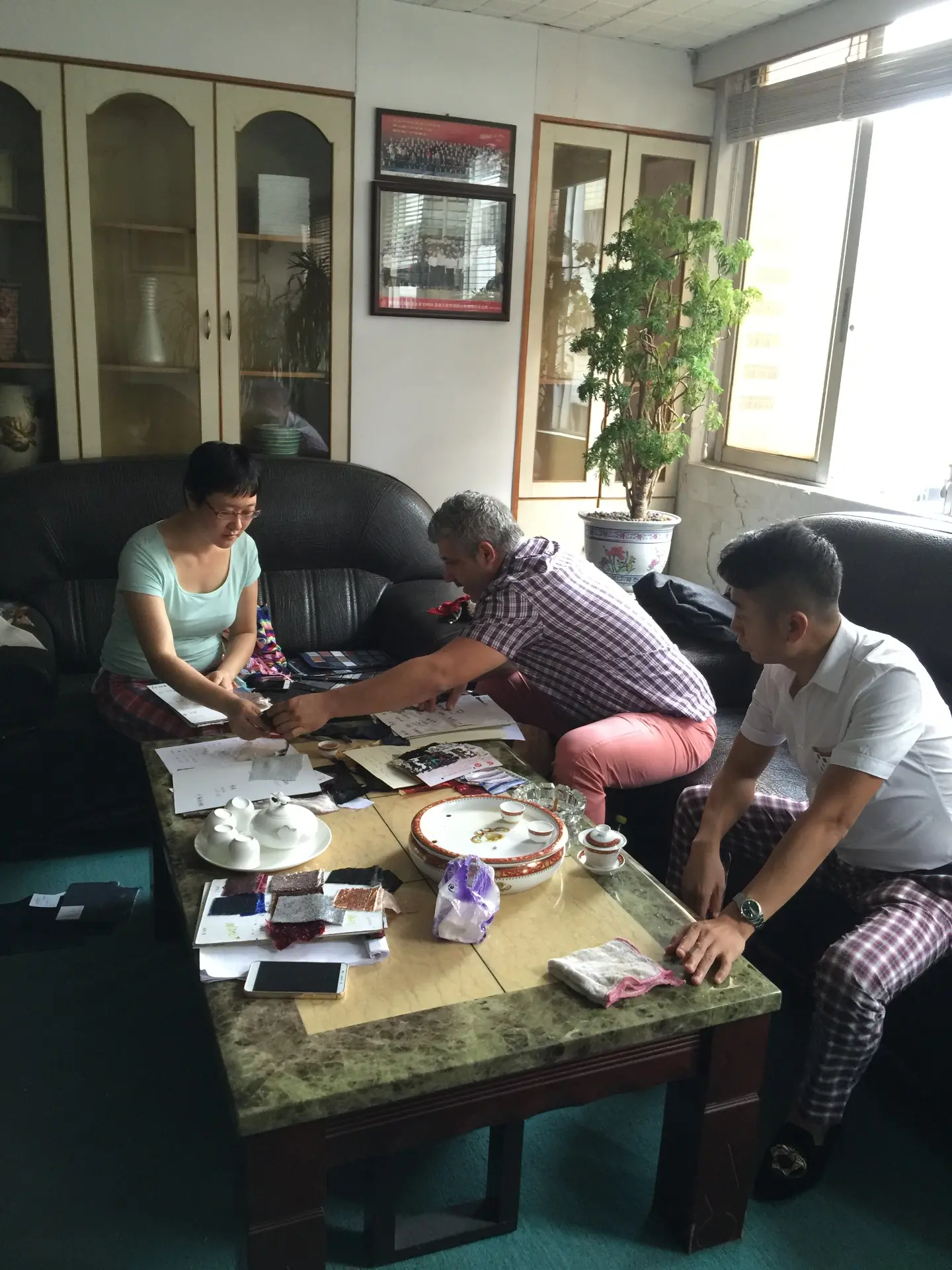
A useful embroidery sample starts with a clear development brief. At Zhijin Brocade New Material Co. LTD, the manufacturer behind All4Lace, we work with brands, garment factories, wholesalers and trading companies to turn product ideas into samples that can be reviewed before a bulk order. This guide explains the six stages of that conversation and the information buyers can prepare.
1. Explain the product and its intended use
Start with the item you are developing: a lace edging, embroidered webbing, garment appliqué, shoe upper decoration, neckline piece or allover embroidered fabric. A reference picture is helpful, but it should be accompanied by the intended use, target market and approximate order quantity.
For an Abaya, Jalabiya or Kaftan project, identify where the embroidery will be used on the garment. For footwear or bag decoration, show the part that will receive the embroidery. The purpose of this step is to agree on the product being developed before discussing a quotation.
- Reference pictures, artwork or a physical sample
- Product application and design direction
- Target width or size, colors and estimated quantity
- Budget range and the date you need the goods
2. Agree on the pattern and embroidery technique
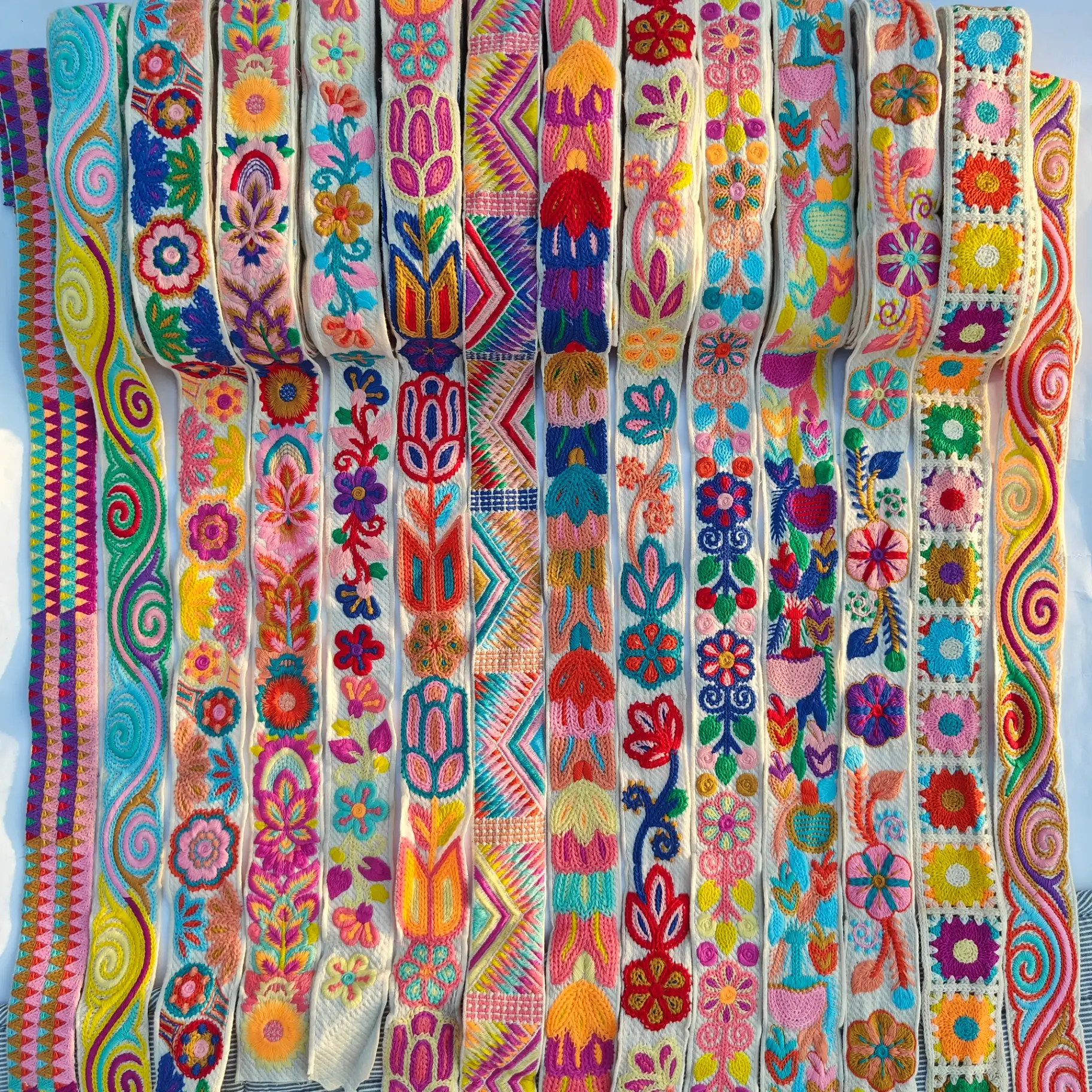
Zhijin's development scope includes computerized embroidery, imitation hand-crochet effects, sequins, beads, cord, tape, towel, dimensional and mixed-media embroidery. The technique should be selected for the actual design and product, rather than simply choosing a technique name from a list.
Send a close-up of the details you want to retain and tell us which elements may be adjusted. If a design combines several techniques, identify the main visual effect first. We can then discuss the proposed combination with you.
3. Confirm the dimensions and decorative details
Before sample development, review the pattern size, width, repeat layout and placement. Where relevant, identify the beads, sequins, cords or other decorative materials required. These details belong in the same development brief so that the sample is assessed against one agreed reference.
Some details may need discussion after we review the artwork or physical sample. A reference image alone does not confirm material specifications, a finished width or an exact color.
4. Confirm materials, color and production requirements
Provide available material references and Pantone numbers, color cards or physical color samples. Photographs and screens can show color differently, so a color reference should be discussed separately from the design image.
Also explain the packing and labeling requirements and the quantity you expect to order. Material, width, technique and order quantity all affect the quotation and production arrangement. The final specification should reflect the details agreed for your project.
5. Develop and review the sample
Once the brief is confirmed, we develop the sample. The sampling schedule depends on the product and its materials. As an example, an imitation hand-crochet embroidered lace project may take about seven working days and use a two-yard sample; the quantity and timing must be confirmed for the individual project.
Review the sample for the agreed pattern, material, color, dimensions and overall appearance. Send feedback against those specific points so that any revision can be discussed clearly. Sampling is the opportunity to settle these details before a bulk order is confirmed.
6. Arrange sample delivery and the next production decision
We arrange sample dispatch after confirming the recipient and delivery method. Sample charges, shipping costs and any additional sample quantity should be agreed with the sales team.
When you have reviewed the physical sample, confirm the accepted specification and any revisions. Bulk production quantity, price, packing and delivery schedule are then confirmed separately. The sample development period and the shipping transit time are different parts of the overall project schedule.
Discuss your embroidery project
Send your artwork, reference sample and intended application to Zhijin so we can discuss the next development step.
Contact Zhijin