Materials & Applications
Embroidered Cotton Fabric: Is the Cotton in the Ground or the Thread?
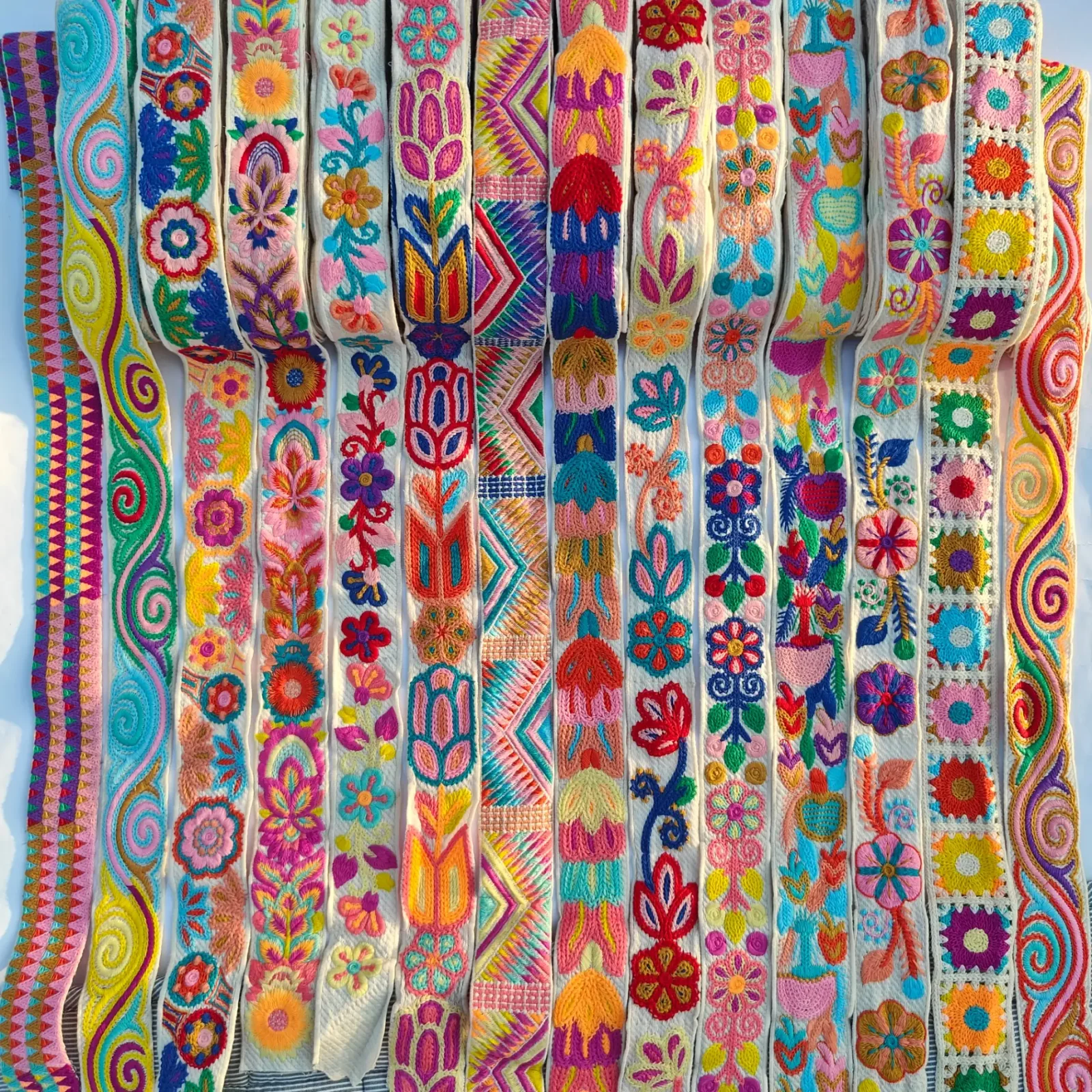
Embroidered cotton fabric can mean embroidery on a cotton ground, embroidery made with cotton thread, or a combination of both. Those descriptions are not interchangeable. The useful buying question is where the cotton sits in the finished material, followed by the composition of the other components. A white or matt appearance cannot answer that question. Start with a component description, then review a sample made to that description.
Name the ground and the embroidery separately
The ground is the material carrying the stitched design. In a woven ground, the lengthwise and crosswise yarn systems form the cloth; the embroidery is another element placed into or onto that cloth. CottonWorks explains the warp and weft roles in woven fabric. That structural distinction is helpful even when the ground and the embroidery happen to use the same fibre.
Cotton embroidery thread is a separate material category. DMC, for example, identifies its six-strand embroidery floss as cotton. On the component sheet, give the ground and embroidery thread their own lines, with the fibre description beside each. This makes it clear whether a request for cotton concerns the supporting cloth, the visible stitching or both.
Four descriptions that lead to different requests
A component sheet makes these combinations easier to compare. Give each ground, stitching yarn and added decoration its own entry, and attach percentages to the named component. If a buyer needs a composition declaration for the complete finished fabric, settle its scope and supporting evidence separately. A cotton ground and a cotton thread are two distinct specification decisions.
| Description | What it tells you | What remains to confirm |
|---|---|---|
| Cotton ground, unspecified thread | The base fabric is described as cotton | Embroidery thread and any decoration |
| Cotton thread, unspecified ground | The stitching yarn is described as cotton | Ground composition and retained support |
| Cotton ground and cotton thread | Both named textile components are cotton | Other additions and declaration scope |
| Cotton blend ground | The base includes another fibre | Blend percentages and thread material |
Read a photo as appearance evidence
Use the cover photo to mark flower shapes, stitching areas and the background visible between them. Label those areas ground and decoration before completing the composition fields. For a white-on-white reference, inspect a clear background area and a dense motif separately: their similar colour can otherwise make the two components easy to confuse.
For sourcing, pair the approved face and reverse views with a component sheet and a labelled physical sample. Keep the sample identifier on each record. If a later sample looks similar but the ground or thread has changed, mark that change explicitly; otherwise a visual approval may be mistaken for approval of a different material combination.
Approve the finished combination for its intended use
A cotton specification is not an automatic promise of softness, opacity, stretch or a particular care result. Review the actual embroidered material with the garment construction it will meet. A dense motif at a cuff and an open motif across a loose overlay ask different questions, even if their component descriptions both contain cotton.
Agree the intended cleaning and pressing procedure with the garment team, then assess the selected sample under that procedure. Record dimensional change, colour change, motif distortion and the feel of the reverse as observations from that sample. Do not copy a thread supplier’s care or certification statement into a declaration for the whole embroidered fabric.
Turn an ambiguous request into a usable brief
Suppose a blouse buyer sends a white floral reference and asks for pure cotton embroidery. The first decision is whether the requirement covers the ground, the visible stitching, or the complete material. If it covers the ground only, write cotton ground and request a separate thread declaration. If it covers both, identify both and list any additional elements separately.
Keep the requested flower drawing, colour relationship and garment position alongside those material fields. A supplier can then flag an uncertain component without silently changing the aesthetic target. If the quotation offers an alternative ground or thread, compare it as a named alternative against the same brief, and retain the original approval record.
Discuss your embroidery project
Send All4Lace your design reference and mark whether cotton is required in the ground, embroidery thread or both, together with the garment use, quantity and intended care procedure, so we can clarify the sample specification.
Contact Zhijin