Quality & Delivery
Which Test Documents Cover the Embroidered Fabric You Are Ordering?
Start with the exact embroidered fabric on your purchase order. Record the product reference, colourway and state in which it will be delivered. Compare each document with that line. A test report describes work on identified specimens. A certificate has the scope defined by its scheme. A lot record connects an item or sample to a shipment. Record which parts of the order each document supports and where you still need evidence.
Describe the fabric in the state you will receive it
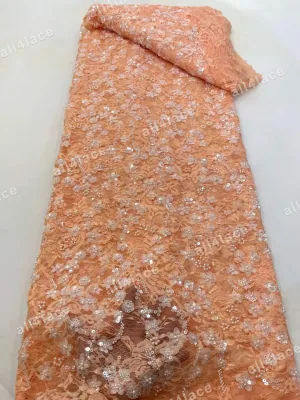
Record the supplier’s product reference, construction revision and colourway. List the actual ground, embroidery thread and any beads or other added decoration. Ask if the piece will be dyed, washed, coated or otherwise finished before delivery, and record the version you are ordering. Use drawings or photos to identify the reference; verify components with the supplier’s product record.
Separate the sale item from what will be added later. A roll of decorated fabric, a fabric after a finishing step, and a finished garment with lining and other trims are different objects. If your buyer has a test requirement, specify which object the requirement applies to before requesting evidence.
Give each document one job in the buying decision
Verify the origin of each document and locate the fields that tie it to what you are ordering. Keep a separate status for each claim and each order line.
| Document | What to match |
|---|---|
| Laboratory test report | Tested specimen and state. Find the submitter, sample ID, method, dates, results and sampling information where relevant. |
| Certificate under a named scheme | Certificate holder, covered products or processes, scope description and validity recorded by the issuer. |
| Lot or shipment record | Order line, shade or batch, roll or carton ID, and how the sampled material relates to the goods being shipped. |
Find out what the laboratory actually received
When available, request the complete report that can be shared, with any sample description or annex. Use the sample identity, method, testing dates or reported conditions and result to decide which requirement it addresses. Check for multiple specimens or different results for different specimen entries. If the sample entry says plain ground fabric, record that state even when the order is for embroidered fabric.
Ask who selected the specimen and whether its link to a specific production lot is documented. The SADCAS laboratory assessment checklist distinguishes laboratory sampling from an item submitted to the laboratory. Its guidance for customer-submitted material ties the result to the sample received. Any claim about the delivered lot needs a separate sample-to-lot connection and the review specified for the order.
Sources & further reading
Check the certificate against the actual article
If you have a certification requirement, ask for the issuer and the full current scope, then check the record through the scheme’s official service where available. For example, the scheme owner offers a public label check for OEKO-TEX® STANDARD 100. Compare the current certificate scope and validity with the product form, construction and relevant variants you plan to buy.
A document for the ground fabric supports that stated component scope. For a claim about the delivered embroidery, look for scope that covers the finished article with its applicable additions and finishes. Keep a practical order check on the lot’s identity and condition even when the requested certificate scope matches.
Worked example: the order changed after the ground was tested
Suppose a buyer receives a report identifying only undyed ground cloth. The order is for that design with blue embroidery thread, an added bead and a later finish. Keep the report in the ground-cloth row and record what it assessed. Mark finished embroidered fabric, added components and the finishing state as pending where evidence is required. Ask for the matching scope or a representative finished sample with the relevant test agreed in advance.
If the supplier proposes a new shade lot, ask what changed and compare the new component, treatment or lot identity with the approved record. Record any same-specification lot mapping separately. Escalate an uncertain change to the person approving the order and agree whether to request an updated scope, check a sample representative of the delivered state, or arrange further testing. Keep the unresolved requirement open until that decision is recorded.
Put the evidence on the order line
Copy these fields to your purchase record. Record the item and decision owner before the order is released. Add shipment and lot identifiers when available, then link them to the actual material checked. Hold the affected release if a required item remains unverified.
- Order line / product reference and revision / colourway.
- Delivery state / ground / embroidery yarn / decorations / dyeing or finishing.
- Buyer requirement / document kind and reference / issuer or source / applicable date.
- Specimen ID and sampling party / covered component and state / method or certificate scope as applicable.
- Order lot, shade lot and roll or carton IDs when available / link to the submitted sample.
- Covered for this requirement, pending clarification, or further evidence needed / next action / owner and review date.
Ask about the evidence for an embroidered fabric
Send All4Lace the product reference, colourway, intended use and delivery state. Specify the material or stage your buyer needs to check and the evidence required.
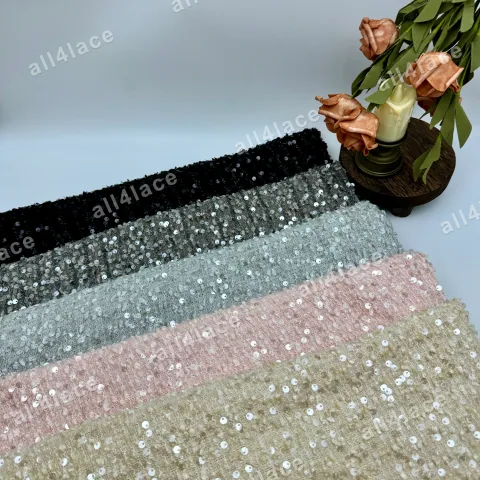
The related catalogue examples show how to identify products and visible details. Request the information available for your chosen configuration and agree any additional sample or testing needed before placing the order.