Sourcing & Orders
A Useful Lace Fabric Lot Record: Connect the Roll, Sample and Decision
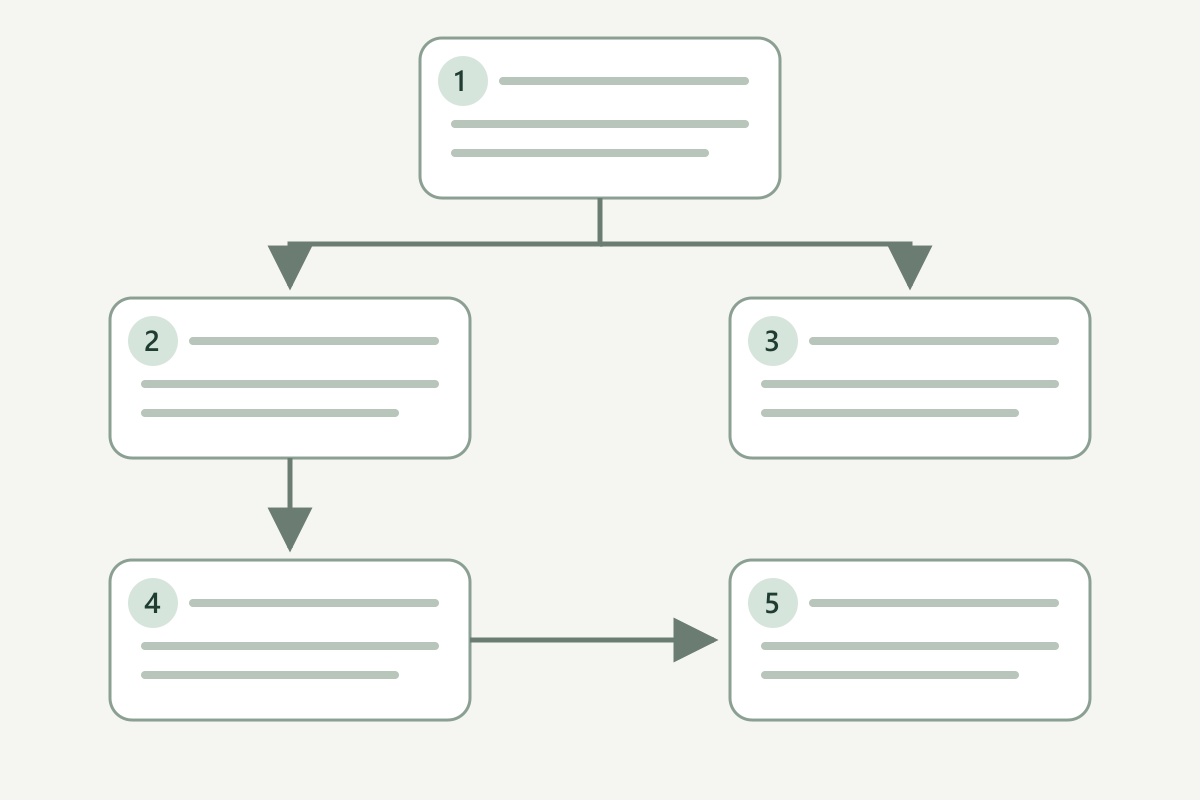
A useful lot record answers three questions: which material is this, where did this sample come from, and what decision applies to it? A product name alone cannot answer them. Link the order line, supplier lot, physical roll and review record without treating a label as proof of quality.
Keep product, lot and roll identifiers separate
The product reference identifies the design being discussed. The supplier’s lot reference identifies the grouping the supplier actually uses; ask what that grouping means. An individual roll or package reference identifies the physical unit in front of the receiving team. These fields may be related, but replacing all three with a style name makes later questions harder to resolve.
Do not invent a production lot because one is missing from a carton. Record “supplier lot awaiting confirmation”, add your own receiving reference and ask the supplier to explain the available identification. An internal label can help organize material without pretending it proves a shared dyeing, decoration or processing history.
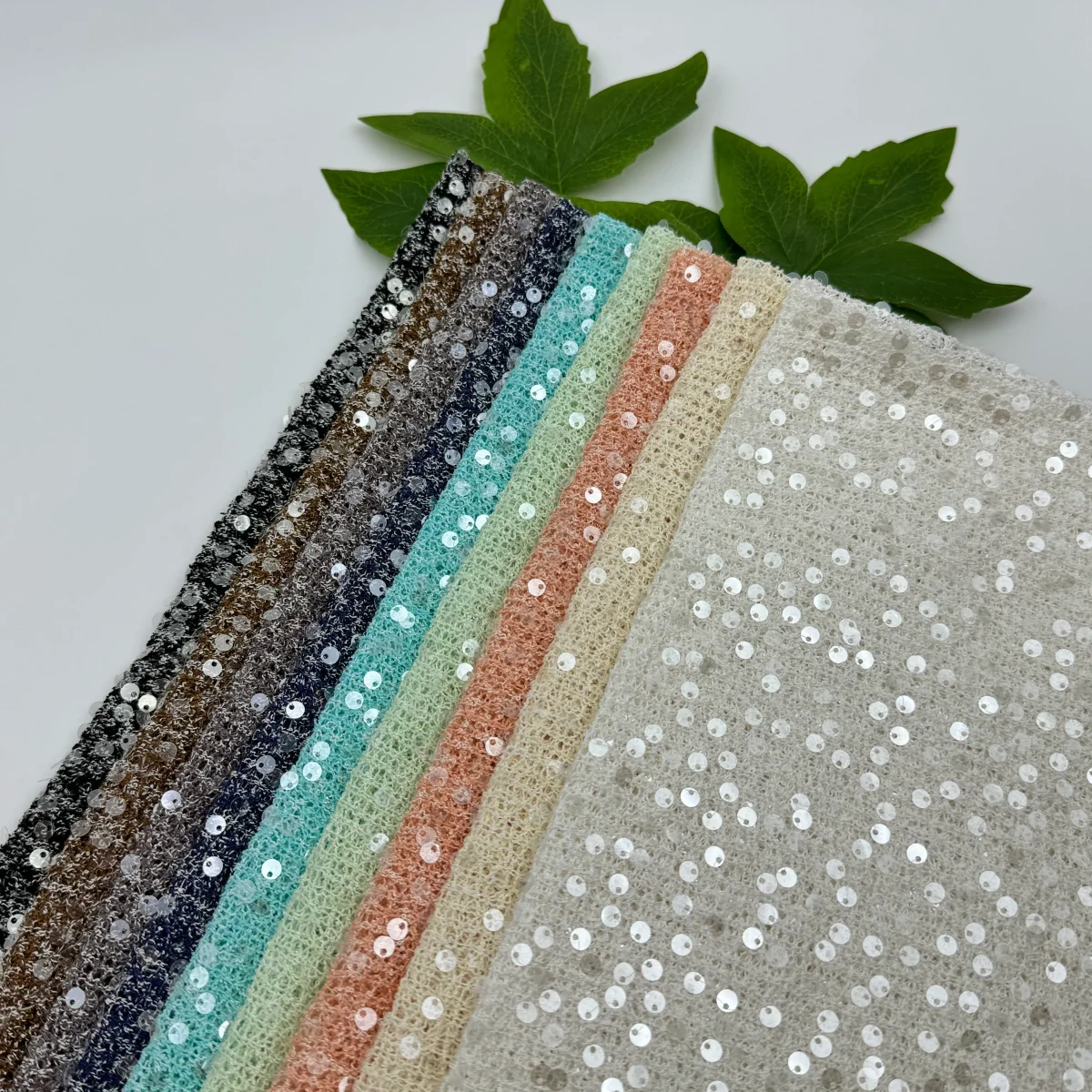
Capture enough fields to find the same material again
Start with the purchase-order line, product and shade references, supplier lot, individual roll reference, received quantity and unit. Add the quantity already allocated or cut, location, sample identifier and review status. Keep supplier identifiers exactly as provided; place any translated description in a separate field rather than changing the code.
Only collect information needed for this task. Public sample photographs rarely need buyer names, contact details or commercial prices. The working record may contain confidential order references, but any article, shared photo or training example should use an explicitly fictional or redacted version.
Record where a sample was taken
A sample marked simply “blue lace approved” cannot show whether it represents the roll being questioned. Link its identifier to the physical roll and describe the source area in terms the team can use: approximate length position if recorded, decorated area, edge or central section, and whether the piece was cut, sewn or otherwise changed.
Attach a small overview showing how the sample relates to the material, while keeping the original reference intact where possible. If the source location is unknown, say so. A precise-looking sample number should not conceal missing origin information or imply that one small piece represents every region of a roll.
Maintain the link when material is split or moved
If roll R-01 is divided into two cut lengths, give each new package a distinct child reference and retain R-01 as its parent. Record the transferred quantity, unit, receiving location and responsible role. Avoid physically marking delicate decoration; agree a label, sleeve or packaging method suitable for the material.
Log a status change as an event: who reviewed which sample, what was decided and which quantity the decision covers. “Received”, “under review” and “released for the agreed use” describe different situations. A shipping record is not a substitute for a recorded material-review decision.
Start with a small, explicit example
The following is a reusable fictional record, not an All4Lace order or an implemented traceability claim. Its purpose is to show how a question about one cut length can lead back to the relevant roll and review, instead of searching through unrelated photographs.
After a correction, keep the previous entry and add the new decision reference rather than overwriting the history without explanation. The record helps locate evidence; whether material meets an order still depends on the agreed specifications and actual review.
- Confirm what the supplier lot identifier covers.
- Keep every roll and sample identifiable.
- Record parent links when splitting material.
- Write quantities with units and locations.
- Link status changes to a named review record.
| Field | Fictional example | Purpose |
|---|---|---|
| Order line / design | PO-DEMO / 02 / motif-A | Identify the requirement |
| Supplier lot / roll | LOT-DEMO / R-01 | Locate the physical source |
| Sample / origin | S-03 / R-01 central area | Connect observation to material |
| Split package | R-01-B / parent R-01 / 3 m | Retain the parent link |
| Review status | On hold / review-note-04 | Prevent an implied release |
Discuss your embroidery project
Ask All4Lace which lot and package references can accompany your selected material, and share the receiving fields your team needs to match them.
Contact Zhijin