Sourcing & Orders
Reordering Embroidered Lace: Approved Samples, Material Changes and Batch Comparison
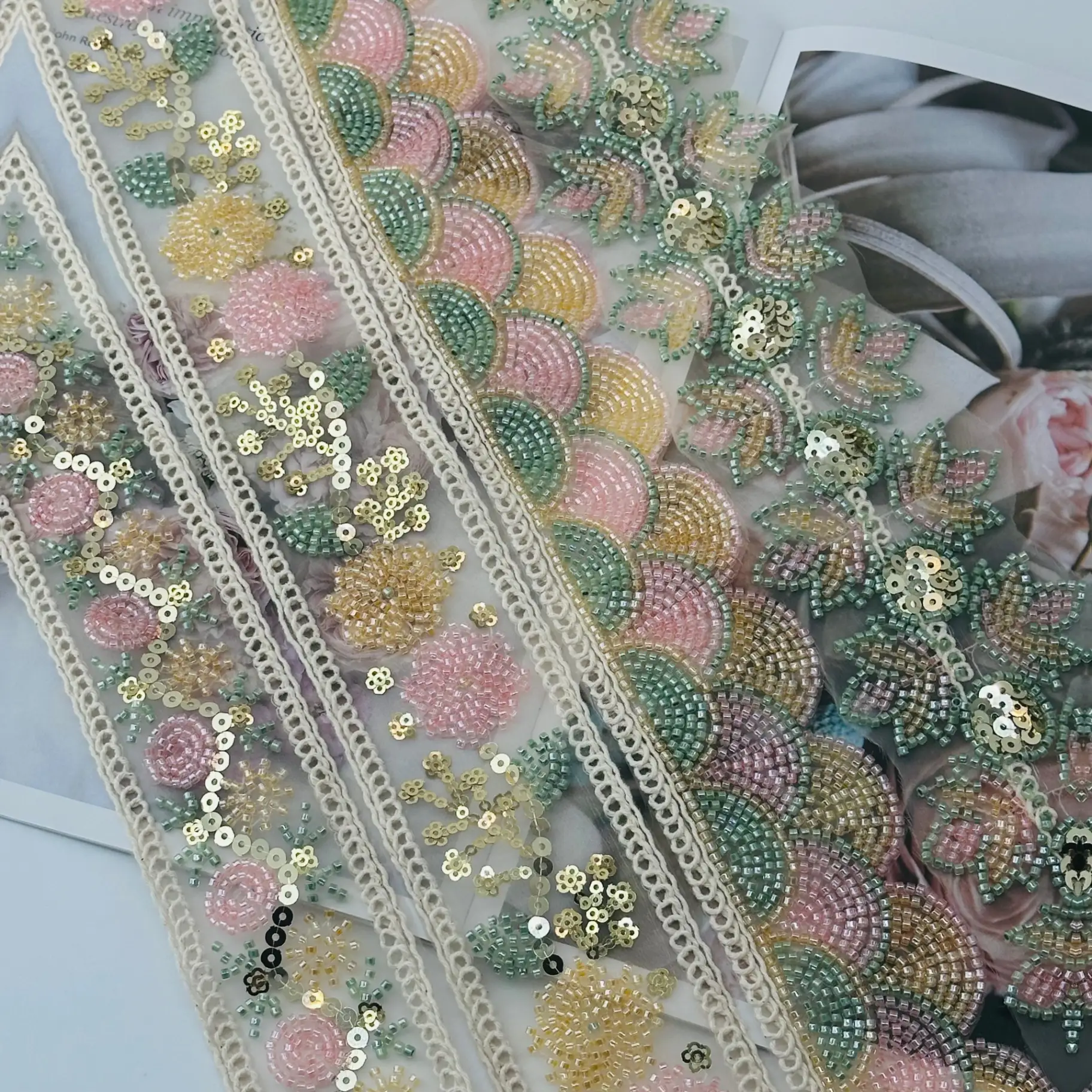
The same as last time is a starting point, not a complete reorder specification. An earlier order may have passed through several revisions, and an old photograph may not show the final approval. Recover the reference and records before reviewing what has changed.
Identify the original approval reference
Keep the previous order number, product reference, approved sample identifier and final approval date together. Identify which artwork and physical sample govern the comparison. Rejected trials, early quotation drawings and the final approved reference should not be used interchangeably.
Disclose whether your retained sample has been cut, sewn, cleaned or displayed for a long period. Prefer a reference with a known condition, reviewed alongside its specification. Its treatment history matters when deciding whether it can be compared directly with a new sample.
List unchanged requirements and proposed changes
Check base, thread, sequins or beads, colour, motif, width, dimensions and supply format individually. Confirm whether the original materials remain available. A product number does not establish permanent material continuity. Ask for specific differences before evaluating a proposed substitution.
Changes may also originate with the brand: new sizes, lining, decoration placement or delivery requirements. Record them beside the original specification. Even with the same motif name, have the relevant team decide whether the old approval still covers the revised material and assembly combination.
Compare the new batch under agreed conditions
SGS explains that an approved reference sample supports comparison between the production batch and the ordered product. It establishes a comparison basis, not automatic testing or certification of a new batch. The order still needs its own agreed inspection scope.
Use consistent positioning, light, face/reverse presentation and measurement conditions. Identify the batch and sample origin, then review agreed features such as colour and shade variation, motif, dimensions and hand feel separately. Mark differences for discussion instead of treating one phone photograph as the whole approval.
Technical references
Create a confirmation record for the new order
Ask for price and scheduling against the current quantity, material proposal and delivery requirement. Previous prices, MOQ or lead times can inform the discussion but do not replace a new quotation. Identify additional samples or evaluation requirements early.
Record the selected reference, accepted adjustments and outstanding approvals with the new order. If a substitute material is approved, update the sample version. Future reorders should use that revised baseline rather than an old description that no longer matches the product.
- Previous order and approved sample identifiers
- Original specification and change list
- Batch comparison conditions and checks
- Current quotation, schedule and approvals
Discuss your embroidery project
Send Zhijin the previous order records, retained reference, new quantity and proposed changes. We can clarify the reorder baseline before discussing materials, sampling and delivery.
Contact Zhijin