Sourcing & Orders
Comparing Embroidered Fabric by the Yard: Usable Width, Repeat and Cutting
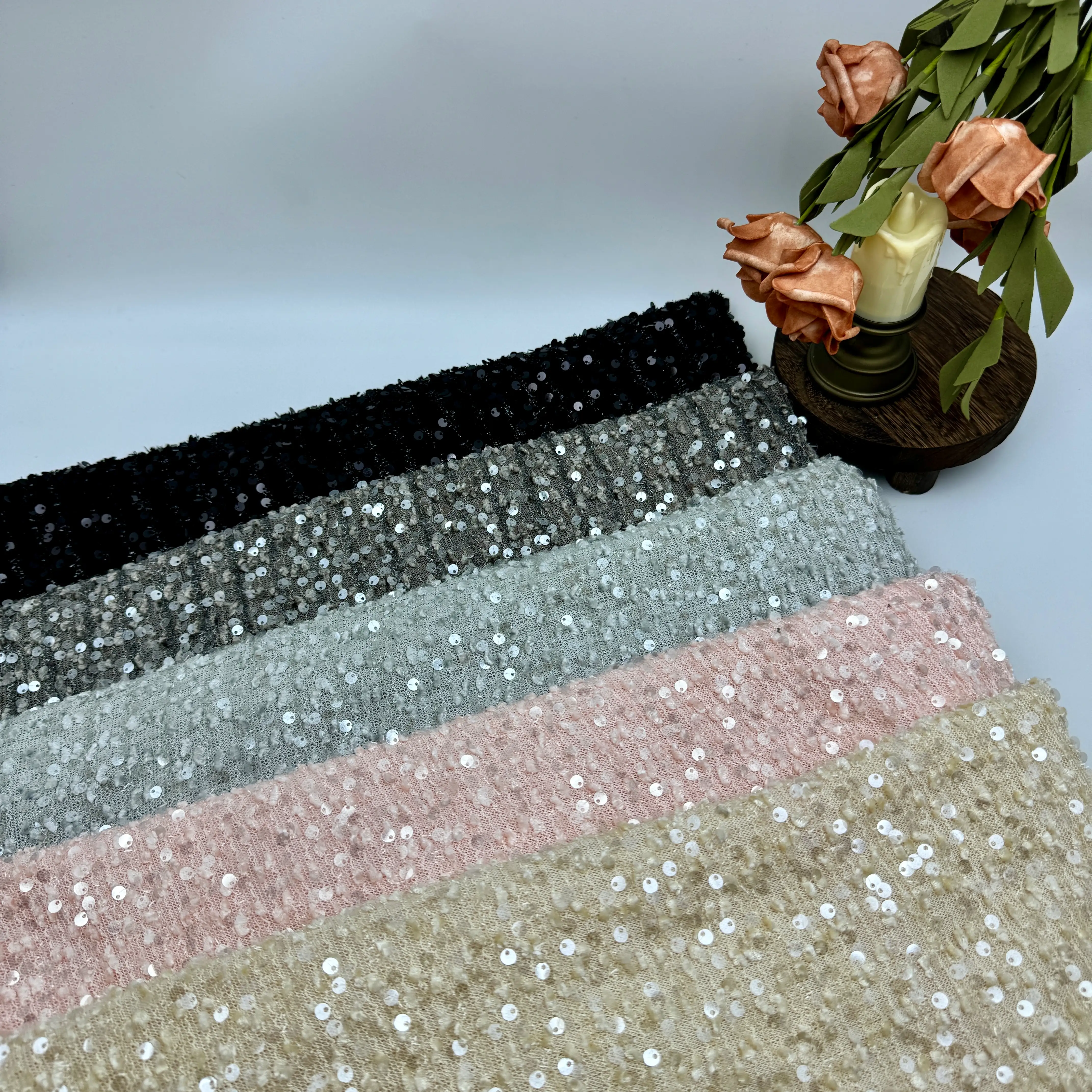
Similar prices per yard do not establish similar material costs for a garment. Width, repeat and required motif placement affect the cutting plan. Before comparing quotations, put these conditions on one drawing so every supplier is discussing the same requirement.
Separate total width, decoration and the cutting area
Total width describes the overall material width. Decorated width shows where the embroidery appears. Usable width should identify the area your project permits for pattern placement. Ask for a full-width photograph marking both edges, unembroidered areas and any border that must remain in the garment.
For illustration only, a purchased length of 10 metres with an agreed usable width of 1.30 metres provides a rectangular area of 13 square metres. This excludes losses from garment shapes, matching and seams. It is not a standard width offered by Zhijin.
Describe repeat direction and alignment points
Record the repeat across and along the fabric, rather than only the size of a flower. Add direction arrows and mark motifs that must align at a centre front, cuff or hem. State where a motif may be interrupted and where it must remain complete.
If all pieces must face one direction, or paired pieces must correspond, give that restriction to the pattern team. A close-up cannot establish the full repeat. Request a complete repeat and a full-width photograph with a scale reference when asking for samples.
Check the actual pattern instead of assuming a waste percentage
Place the intended size, seams, cutting margins and decoration boundaries on one layout. Start with a representative size and review sizes needing a different arrangement. Sufficient overall width does not establish that a particular neckline or hem motif fits the required garment piece.
Intertek includes dimensions and pattern matching in its textile inspection guidance. These are useful review headings, rather than a consumption allowance for your design. Have the garment team approve the layout and retain the sample panel and measurements with the order record.
Technical references
Request quotations against the same conditions
Ask each proposal to identify the sales unit, finished length, usable width and repeat direction. Mark anything awaiting sampling as unresolved. This keeps different specifications from appearing to be equivalent price offers. Zhijin can discuss materials and decoration against the same dimensioned brief.
Review consumption again when the motif, width or garment pattern changes. Keep both layout versions instead of copying an old allowance into the next order. The useful comparison is the material required for the planned garments, alongside its price per yard.
- Full-width and repeat photographs
- Usable width and measurement condition
- Pattern version and matching points
- Length unit and pricing basis
Discuss your embroidery project
Send Zhijin your garment drawing, pattern boundaries, intended quantity and All4Lace product references. We can discuss sampling and quotation against one shared specification.
Contact Zhijin