Materials & Applications
Lace Trims, Neckline Appliqués or Allover Fabric? Choosing the Right Format
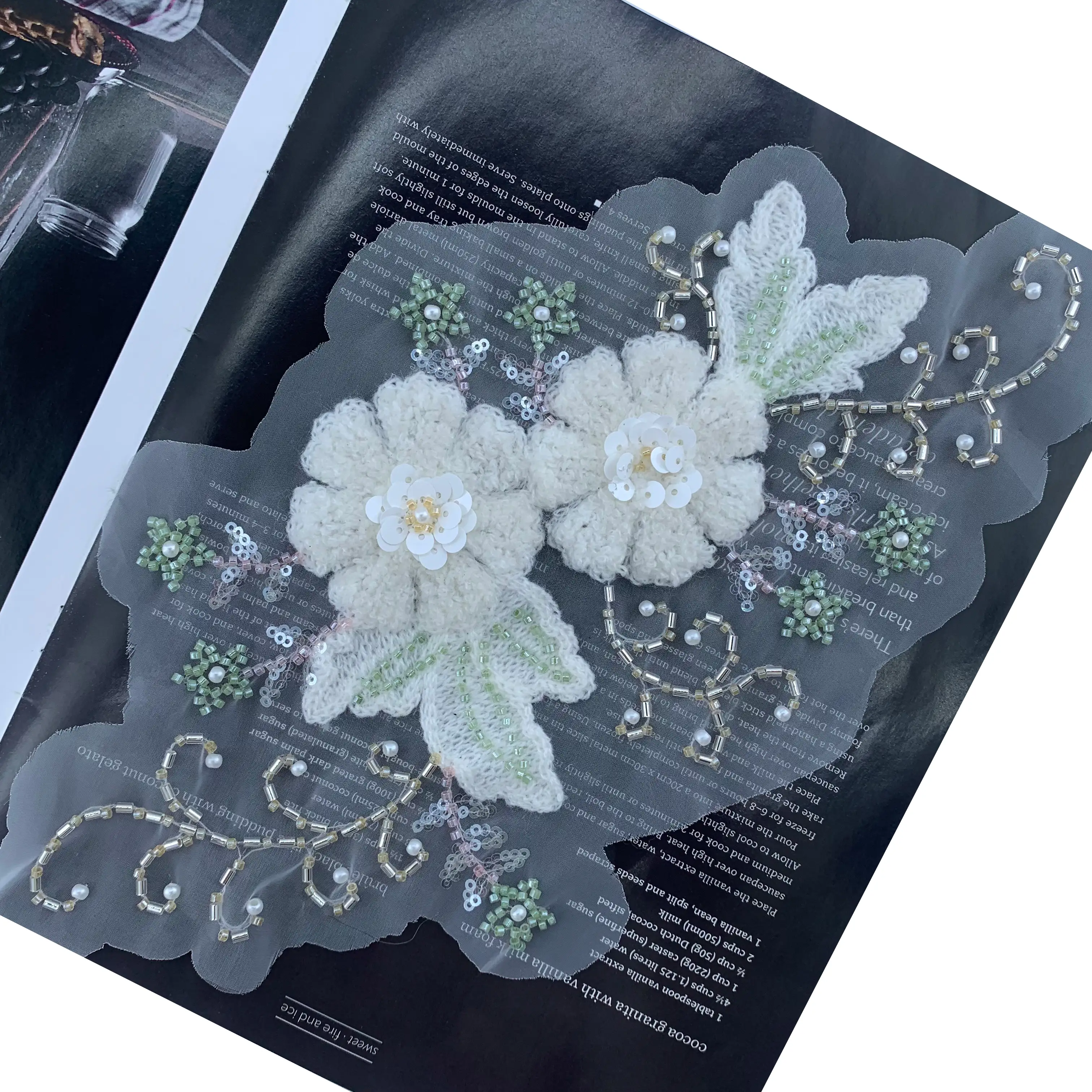
The same design idea may be developed as a continuous trim, an individual decorative piece or an allover fabric. Choosing the format early makes the quotation and cutting plan clearer. Start with where the decoration belongs in the garment, then define the form in which you want to receive it.
What do these terms describe?
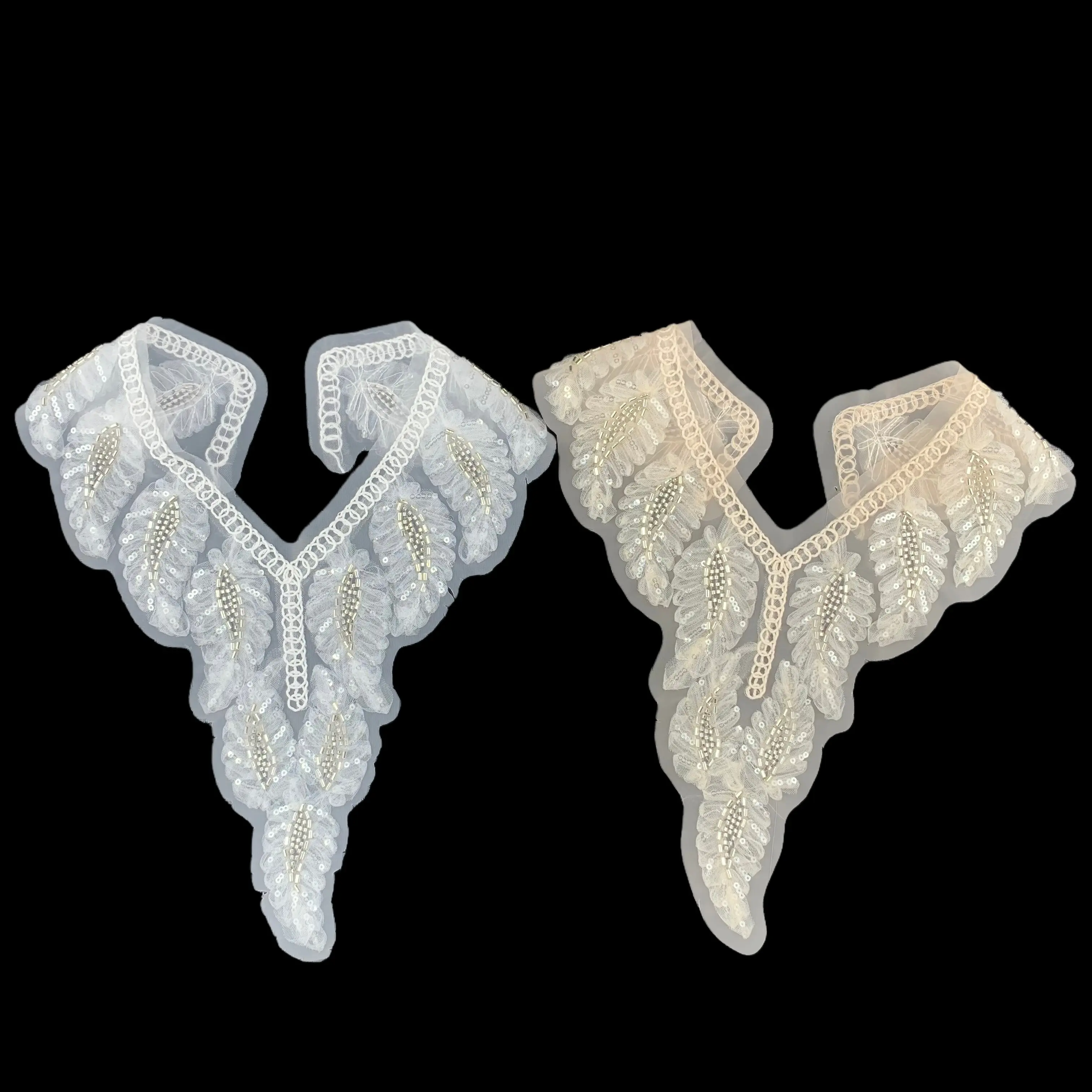
A trim brief usually describes a repeated border or strip for an edge or seam. An appliqué brief describes a decorative piece intended to be attached at a defined location. In embroidery trade usage, appliqué can cover more than one construction, so confirm whether the offered item is an embroidered patch, a cut fabric decoration or another specified form.
Wilcom’s glossary describes appliqué terminology and allover embroidery across the goods. Allover does not automatically mean every part of the surface is covered with stitches. Buyers still need to agree decorated width, repeat and clear areas for the specific fabric.
Technical references
Connect the format to the garment plan
Use a placement drawing to show the intended edge, neckline, panel or body area. Then compare these formats against the garment’s pattern and assembly requirements. The table is a planning guide; the final specification depends on the offered design.
| Format | Information to define | Useful sample review |
|---|---|---|
| Continuous trim | Width, repeat, usable length and edge treatment | Joining, corners and alignment along the intended border |
| Neckline appliqué or individual motif | Piece dimensions, orientation and placement | Fit to the garment pattern and method of attachment |
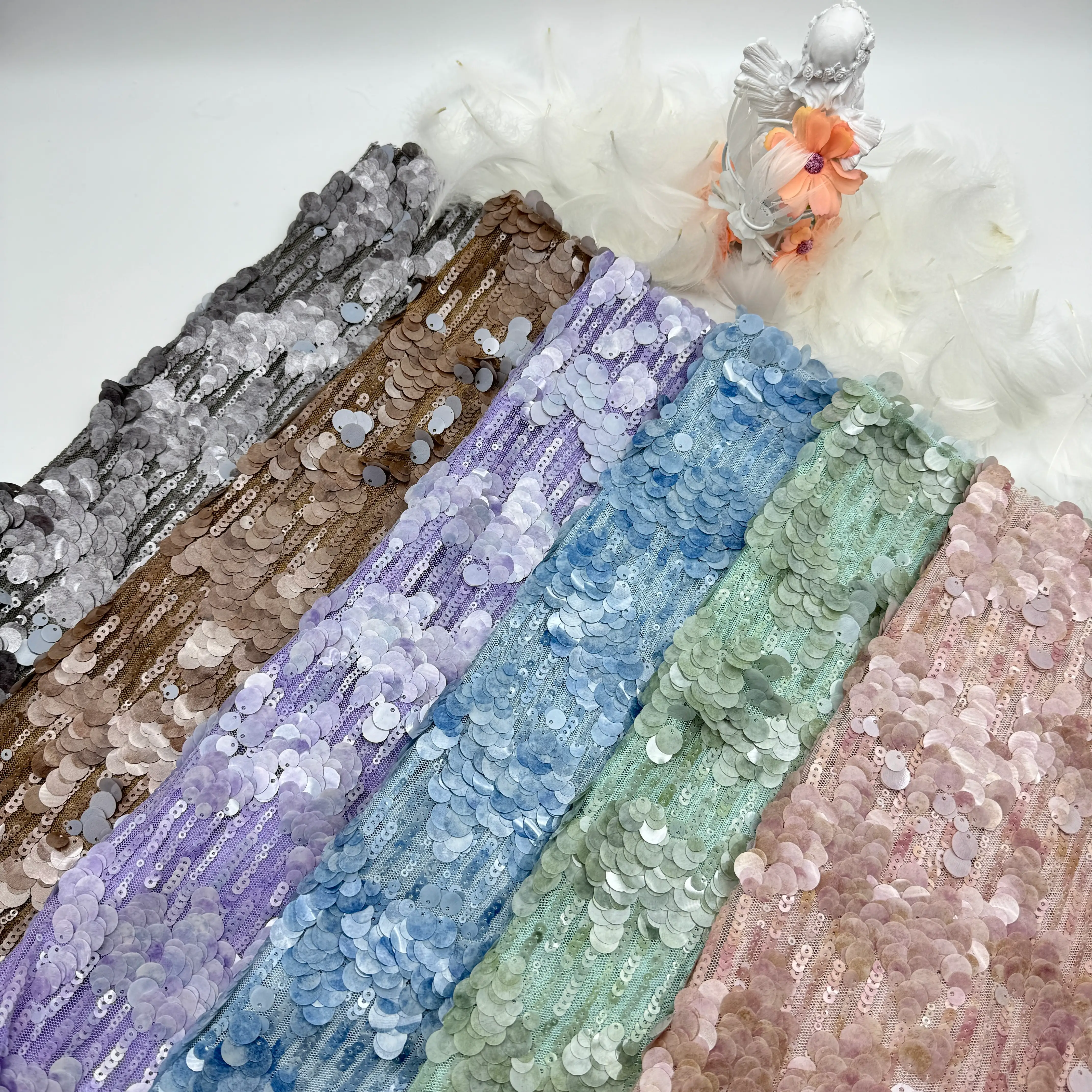
| Allover fabric | Usable width, repeat direction and decorated area | Pattern matching, cutting layout and seam positions |
Confirm the sales unit before comparing prices
A price per yard cannot be compared directly with a price per piece. Ask which unit applies to the exact item and how a set is defined if the design uses more than one component. For a length-based item, agree whether the measurement refers to the supplied material or the finished usable length after processing.
Do not assume that all trims are sold in one fixed unit or that every appliqué uses the same piece dimensions. Request a dimensioned drawing or a photographed sample with scale references. For paired motifs, indicate left and right orientation and ask how the pair will be supplied.
Review cutting and attachment before calculating consumption
Place the sample against the garment pattern, including the intended seam and cutting allowances. Check whether a motif is interrupted at a join and whether a border needs matching across panels. An allover repeat and a shaped neckline piece can require different cutting plans even when they share a flower design.
Estimate consumption from the actual pattern and approved layout, rather than a generic yards-per-garment figure. For a new design, the garment team should confirm the cutting and attachment approach. Zhijin can then review the embroidery requirement using the same dimensions and placement reference.
Ask for alternatives with comparable specifications
All4Lace includes neckline pieces, decorative trims and allover embroidery among its product references. If your design can use more than one format, request separate proposals and samples. Compare the total requirement for the garment, including the planned number of pieces or material length, rather than only the headline unit price.
- Provide the garment drawing and mark each decorated area.
- State whether you need continuous length, individual pieces or full-width fabric.
- Confirm dimensions, repeat, orientation and the sales unit.
- Review cutting, joins and attachment on a representative garment sample.
Discuss your embroidery project
Send Zhijin your placement drawing and preferred supply format. We can discuss a trim, neckline piece or allover embroidery option and confirm the relevant dimensions and quotation unit.
Contact Zhijin