Materials & Applications
Embroidery for Abaya and Kaftan: A Buyer’s Specification Checklist
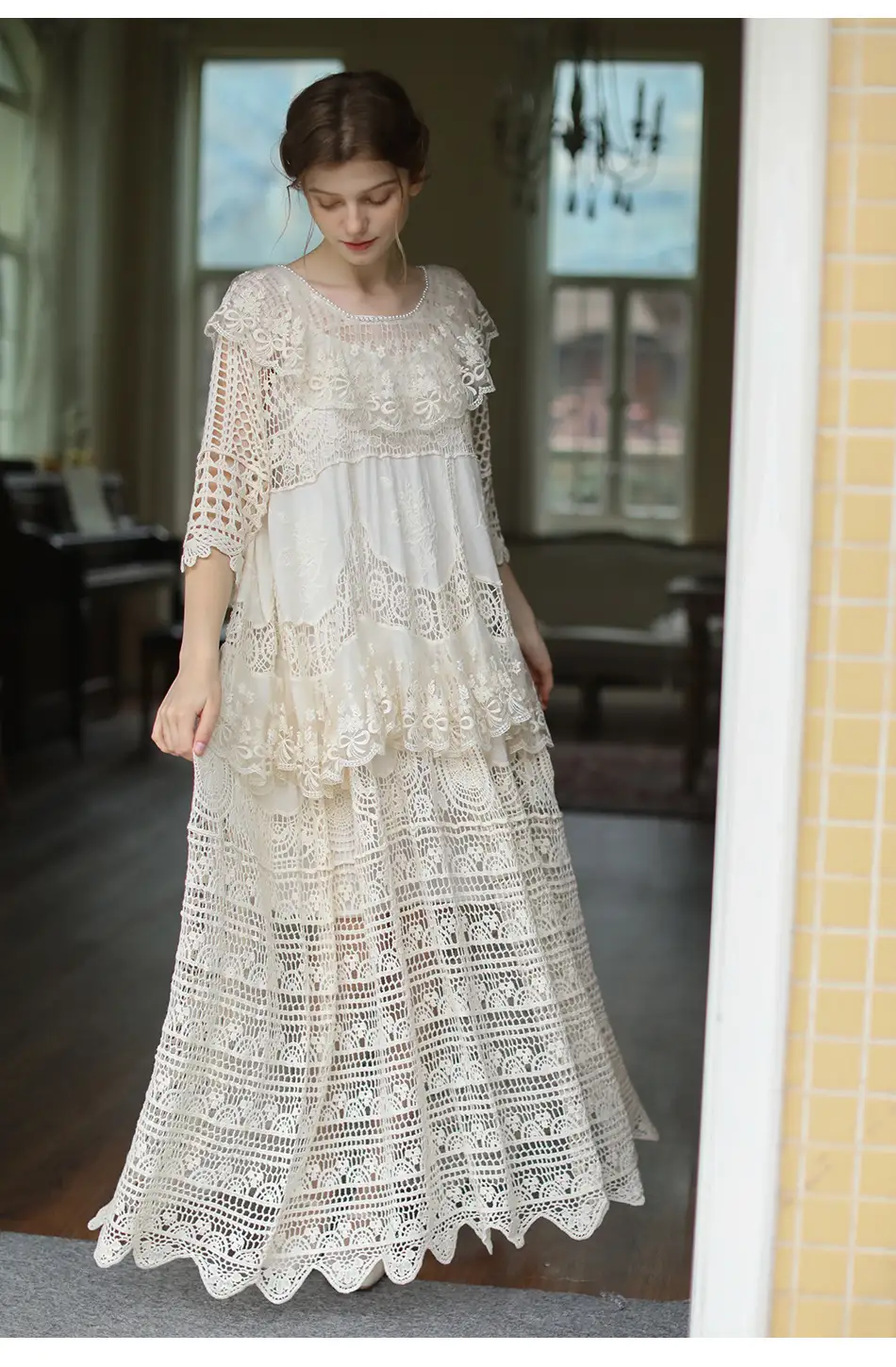
For an abaya or kaftan project, a decorative fabric photograph is only the beginning of the sourcing brief. The same embroidery may be placed at the neckline, sleeves, hem or across the body. Describe the garment your team intends to make so that material selection and sampling answer the right questions.
Begin with the specific garment and its wearer requirements
Share a garment drawing, intended size range and target use. State your design requirements for coverage, movement, lining and visual effect instead of assuming that one set of requirements applies to every abaya or kaftan. Market, brand and individual garment designs can call for different choices.
Describe the planned body fabric and any existing lining. If those materials are still undecided, say so in the brief and keep the approval open until the combination is reviewed. A decorative swatch cannot establish the appearance or comfort of the complete garment.
Choose placement before finalising the embroidery format
Mark the exact decorated areas and distinguish one-sided from paired placements. Use dimensions and orientation arrows for a neckline, sleeve border or front panel. If the embroidery will be scaled across sizes, have the garment team specify which dimensions change and which motifs must remain unchanged.
These options are starting points for discussing the pattern, not fixed construction rules for either garment type.
| Placement | Brief to provide | Sample question |
|---|---|---|
| Neckline or front opening | Opening shape, piece dimensions and orientation | Does the decoration fit the actual pattern and fastening area? |
| Sleeve or hem border | Width, repeat direction and joining positions | Does the border align after the panel is sewn? |
| Body panel or allover | Panel size or usable width, repeat and lining plan | How do seams, movement and layer appearance work together? |
Review the embroidered layer with the garment materials
Compare the actual hand feel, drape, dimensions and appearance of the proposed combination. Intertek’s inspection guidance includes fabric feel, garment dimensions, accessories, pattern matching and lining among relevant inspection areas. These provide useful headings for a sample review, but not automatic acceptance limits.
If coverage is part of your design requirement, view the combined layers in the intended garment setting. If decoration sits near a seam or moves against another layer, include those details in the sewn sample. Do not infer a particular weight, opacity, stretch or skin-contact performance from a category name such as cotton lace or mesh.
Technical references
Separate material approval from garment approval
A material swatch can confirm a colour direction and motif. A garment panel or prototype can additionally show placement and assembly. Decide which sample your team needs and record the version, material combination and dimensions under review.
For a size range, check the placements your garment team identifies as critical. Agree any border matching and cutting allowance requirements before calculating consumption. There is no universal embroidery width or yardage requirement for all abaya or kaftan designs.
Give the supplier a brief that can be quoted
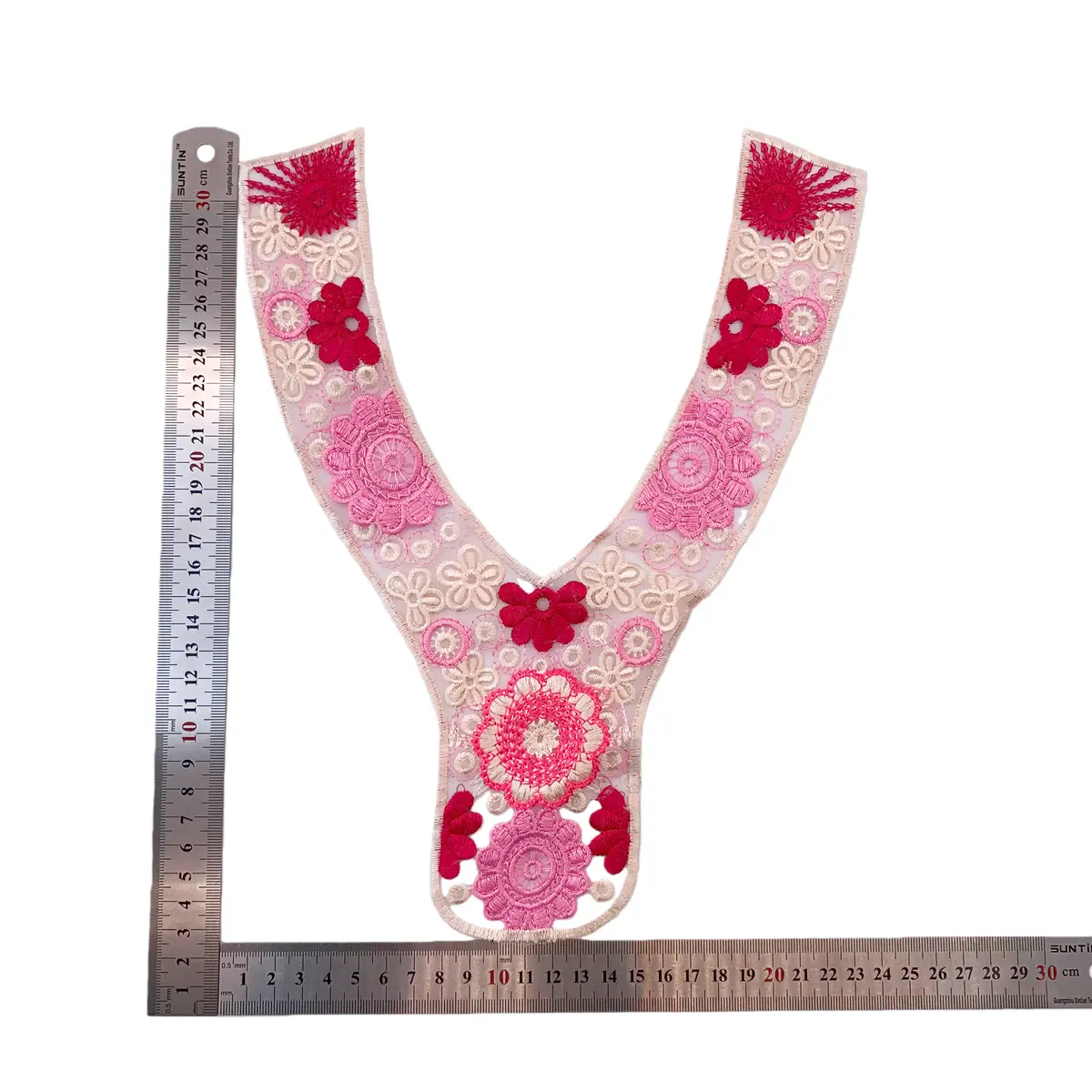
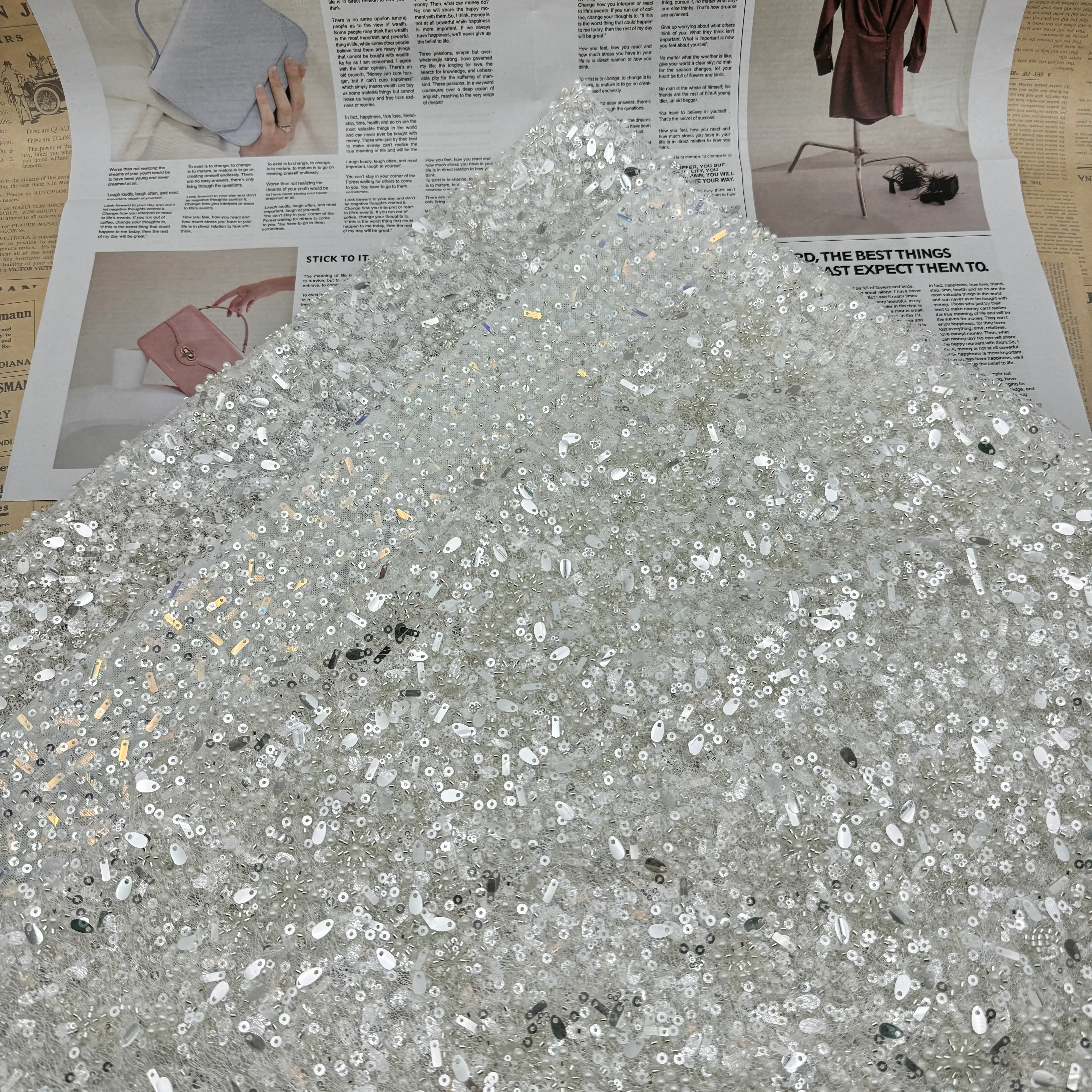
All4Lace product references include cotton embroidery, neckline trims and bead embroidery. They can support a discussion about different design directions; each selected product requires its own specification and availability confirmation. Avoid treating a catalogue application label as approval for your garment.
Send the planned quantity and required timing with the sample brief. Where materials or placements remain undecided, identify them as open items so the quotation does not silently assume a choice.
- Garment drawing, size range and decorated areas.
- Body fabric, lining and any wearer-related design requirements.
- Placement dimensions, motif direction and repeat.
- Required sample format, review criteria and care evaluation.
- Quantity, delivery requirement and unresolved design decisions.
Discuss your embroidery project
Send Zhijin your abaya or kaftan drawing, placement requirements and planned quantity. We can review relevant embroidery references and confirm which material or development sample is needed for your project.
Contact Zhijin