Quality & Delivery
Storing Lace, Sequin and Beaded Fabric Without Crushing the Decoration
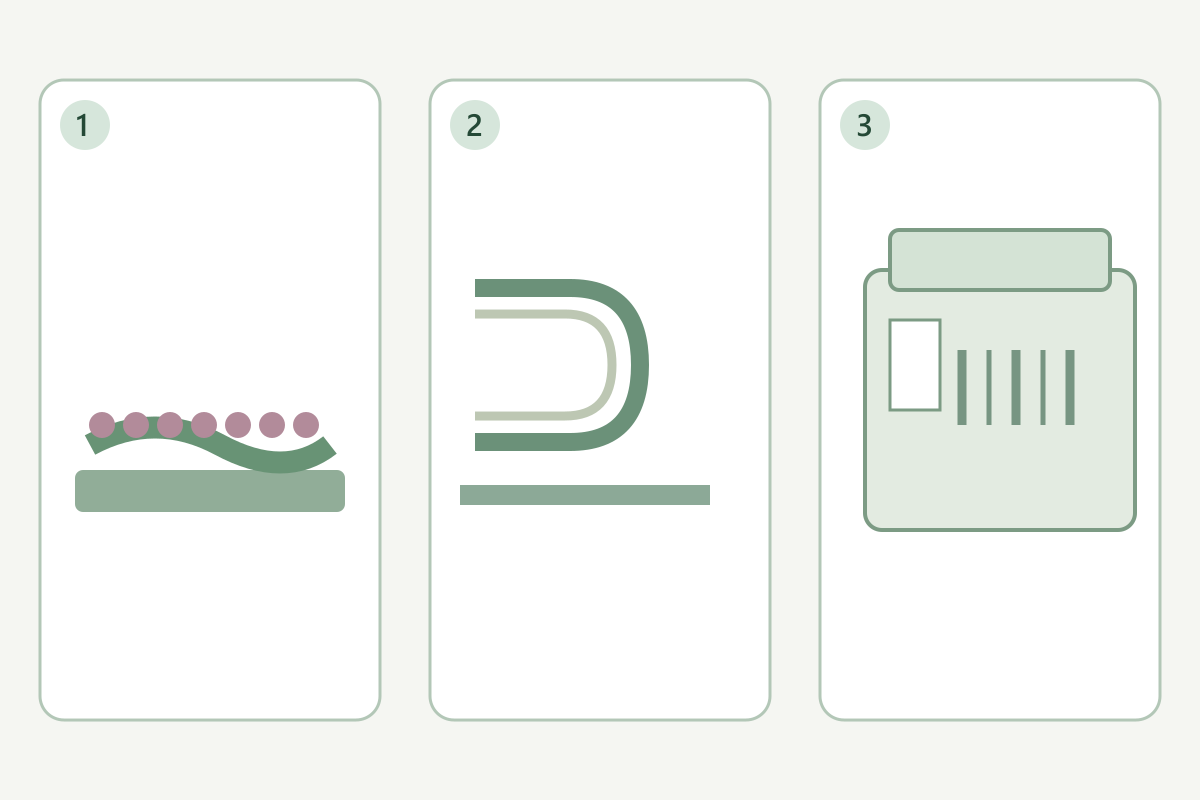
Store embellished fabric clean and dry, with its weight supported and hard decoration separated from vulnerable surfaces. Keep folds few and loose, and make the identification readable without unpacking everything. The storage arrangement should let the next person retrieve the material without dragging beads or sequins across another layer.
1. Inspect before putting the material away
Spread a manageable section on a clean support and record its present condition. Look for dampness, loose attachments, staining, unusual odour or signs of pests before it joins stored stock. Keep a questionable piece separate while the issue is assessed; avoid enclosing damp material with other fabrics. Use the care information for any cleaning decision rather than washing every item automatically. Take a simple reference photograph and retain an untouched material identifier so later changes can be distinguished from conditions that were already present.
2. Support the whole piece, especially heavy decoration
A small heavily beaded panel is often easier to manage on a flat support than suspended from one edge. The Canadian Conservation Institute identifies full support and reduced self-weight stress as benefits of flat storage. Adapt that principle to the size and condition of the material: use a container or tray that accommodates the piece without forcing its outline. Leave room above raised flowers or beads. For long fabric that cannot lie flat, agree a suitable rolled or supported-fold arrangement before compressing it into a smaller space.
Technical references
3. Separate contact surfaces and soften necessary folds
Check where the decorated face would touch the reverse, a neighbouring sample or the packaging. Place a compatible clean separator between those contact areas, and support a necessary fold broadly instead of making a sharp crease through raised decoration. The separator should not transfer colour, adhere to a finish or catch the open structure. Conservation guidance discusses suitable washed cloth and unbuffered acid-free tissue; choose the actual contact material for the textile in hand. Do not assume a sheet of coloured wrapping paper serves the same purpose.
4. Choose a protected, accessible location
Use a clean storage position away from direct sunlight, heat sources and likely water ingress. Keep packages off the floor and leave access that allows a supported piece to be lifted rather than pulled out from under a stack. Avoid piling weight onto dimensional decoration. A cover can limit dust and handling, but inspect the condition inside rather than treating any closed bag as a complete storage system. Set environmental requirements from the actual materials and local storage conditions, with specialist help where needed.
5. Put useful identification on the outside
Attach the design, colour, roll or sample reference to the container or a suitable sleeve rather than piercing a delicate motif. Record the location and any care information that must accompany the material. Keep a small reference image with the record so a buyer can shortlist material without repeatedly opening every package. For divided pieces, preserve the link to their source roll. This is a practical retrieval step; the detailed batch fields can follow the separate lot-record guide.
6. Recheck after access or a change in conditions
When material is removed, note the quantity and restore the support and separator before returning it. Plan condition checks around access frequency, the textile’s sensitivity and risks such as leaks or disturbed packaging. Compare with the reference image for changed folds, compressed decoration or new loose pieces. If a problem appears, record its position and isolate the affected material for appropriate review instead of ironing it flat or adding an untested chemical. Storage should preserve a usable reference, not conceal a developing issue.
- Material dry and condition recorded.
- Weight and folds supported.
- Contact surfaces separated.
- Location and identity accessible.
- Changes logged when material is retrieved.
| Material situation | Storage priority | Check on retrieval |
|---|---|---|
| Raised beads or flowers | Space and full support | Compression or detached parts |
| Open lace touching hard trim | Compatible separation | Caught loops or surface marks |
| Necessary folded length | Broadly supported fold | New sharp creases |
| Frequently selected samples | Readable external reference | Label still matches contents |
Discuss your embroidery project
Tell All4Lace the material form and how long it will be held before use, so storage and care information can accompany the selected sample.
Contact Zhijin