Materials & Applications
Buying Chenille and Towel-Effect Embroidery Trims: A Sample Checklist
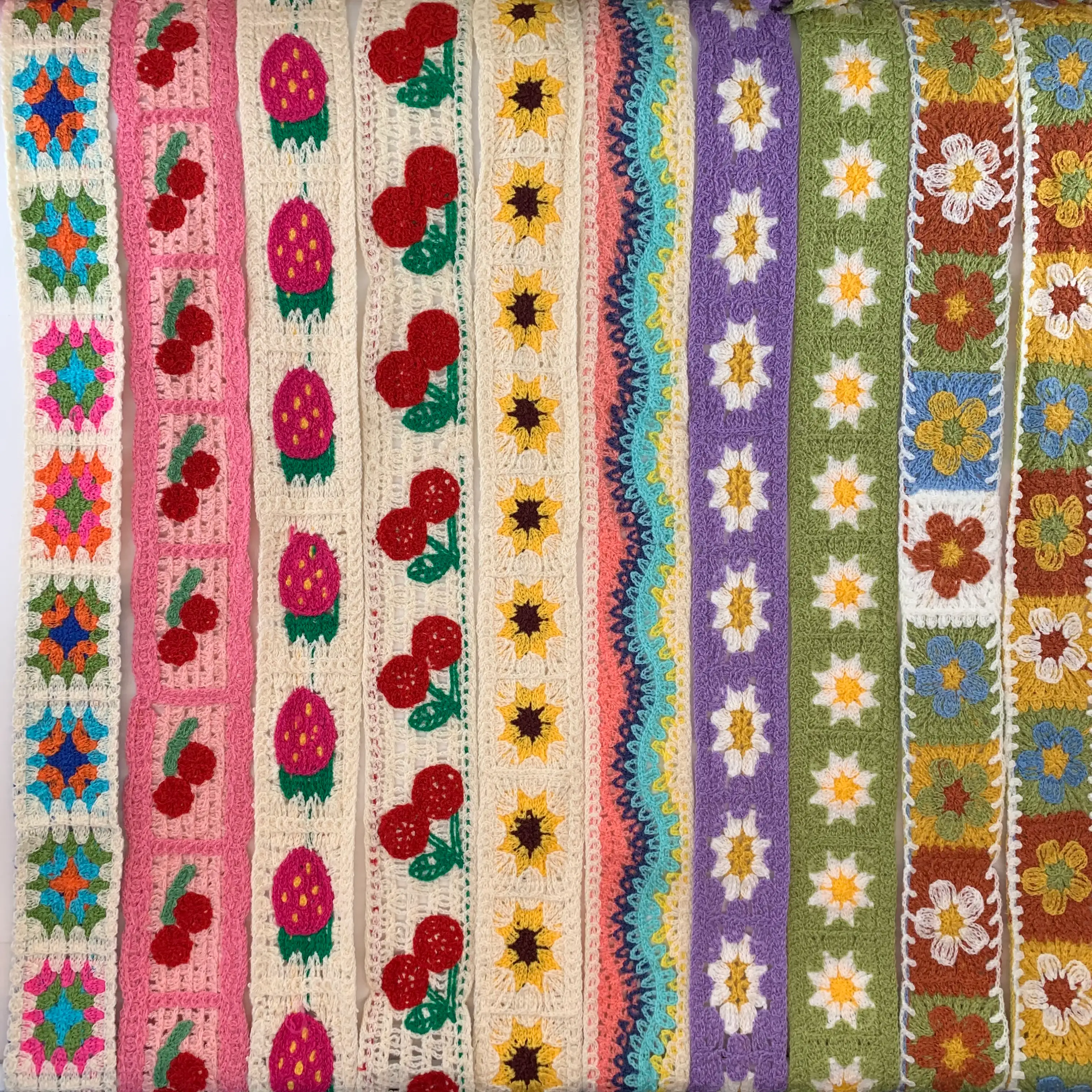
A soft-looking embroidered trim needs more than a colour approval. Buyers should also define the raised surface, motif edges and attachment to the garment. Use this checklist to compare the intended effect with a physical sample, rather than approving texture from a close-up photograph alone.
Confirm what the supplier means by the name
Tajima describes chenille embroidery using loop and chain stitches. Market labels such as towel embroidery or chenille effect should still be checked against the actual sample. Ask the supplier to identify the construction and yarn rather than assuming that similar-looking surfaces use the same process.
Specify whether you need a continuous trim, separate motif or decorated fabric panel. Record finished width or outline and the intended attachment method. A reference photograph helps communicate appearance, but it cannot confirm composition, softness or the reverse-side construction.
Technical references
Review the surface and the outline separately
Examine a full motif and a close-up with a scale. Mark areas where the raised effect is wanted and areas that should remain clearly defined. Check narrow openings, small lettering and tight corners against the approved drawing before deciding whether a simplified design is needed.
Compare the sample flat and in the position it will have on the garment. Agree the reference for surface coverage and outline appearance. Record loose ends or uneven areas for review without treating an intentional textured surface as an automatic defect.
Make a representative sewn trial
Provide the actual garment material and lining where possible. Mark the sewing line, the visible decoration boundary and any fold or fastening nearby. Ask the garment maker to review a trial that includes an edge or join, not only the middle of a straight strip.
Review the reverse and any area that can contact the wearer. If the trim crosses a fold or frequently handled area, show that position in the brief and agree an appropriate evaluation. A soft appearance alone does not establish comfort or performance for the finished use.
Keep a complete approval reference
Confirm the colour on the selected yarn and retain the dated sample with the drawing revision. Record the purchase unit, repeat, usable width and how partial motifs at the ends will be handled. These details make continuous-trim quotations easier to compare.
Agree any cleaning, rubbing or attachment tests required for the finished combination before production approval. Ask for the scope and result of actual tests if performance claims are needed. A general technique description is not a wash instruction or a certificate for the selected trim.
- Construction, yarn and physical texture reference
- Finished outline, repeat and purchase unit
- Sewn trial with the actual base and lining
- Dated approval and agreed evaluation requirements
Discuss your embroidery project
Send Zhijin the trim reference, intended placement, dimensions and garment material. We can discuss the texture and attachment details that the sample should demonstrate.
Contact Zhijin