Materials & Applications
Crochet-Look Lace vs Handmade Crochet: A Sourcing Guide
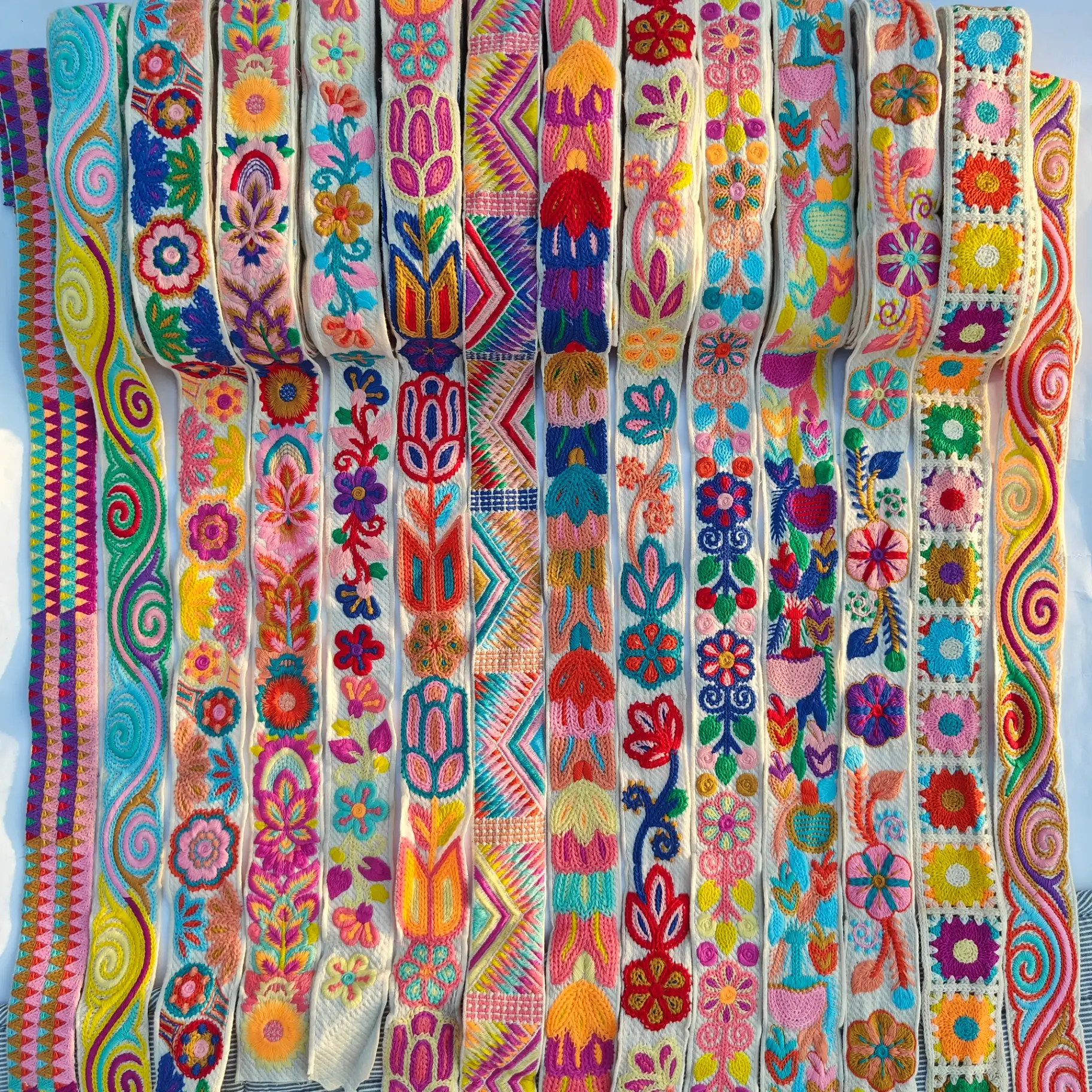
A buyer may ask for crochet lace when the real requirement is a floral openwork appearance. Another buyer may specifically require hand crochet. These briefs should not be treated as interchangeable. Before sampling, agree whether the priority is the look, the construction method, or both.
Separate the visual effect from the construction claim
Crochet forms stitches using a hook and loops of yarn, as illustrated in DMC’s stitch diagrams. A crochet-inspired embroidery may imitate aspects of that appearance through a different construction. Similar-looking holes, outlines or flower shapes are not enough to establish the manufacturing method.
The All4Lace product references shown here are useful for discussing a crochet-look design direction. Request confirmation of the actual technique for the selected item. Do not describe an item as handmade solely because the catalogue mentions a handcrafted style or because the surface resembles a crochet reference.
Technical references
Explain what must be preserved from your reference
Mark the features that matter: motif outline, open spaces, edge shape, colour, visual scale and the way motifs connect. Then state which details may change. This helps a supplier evaluate an alternative construction without assuming that any lace with flowers is an acceptable match.
If a specific production method is part of your brand story, put that requirement in the brief and request appropriate process information before making a customer-facing claim. If appearance is the main requirement, describe the accepted method openly and approve the resulting sample on its own terms.
| Requirement | What to ask for | What does not establish it |
|---|---|---|
| Crochet-inspired appearance | Reference features and an approved visual sample | A generic product name containing crochet |
| A specified construction | Supplier confirmation of the process for the exact item | Similarity in a photograph |
| Repeatable production | Agreed sample version, dimensions and acceptance criteria | An assumption based on handmade or machine-made wording |
Check openwork, repeat and finished dimensions
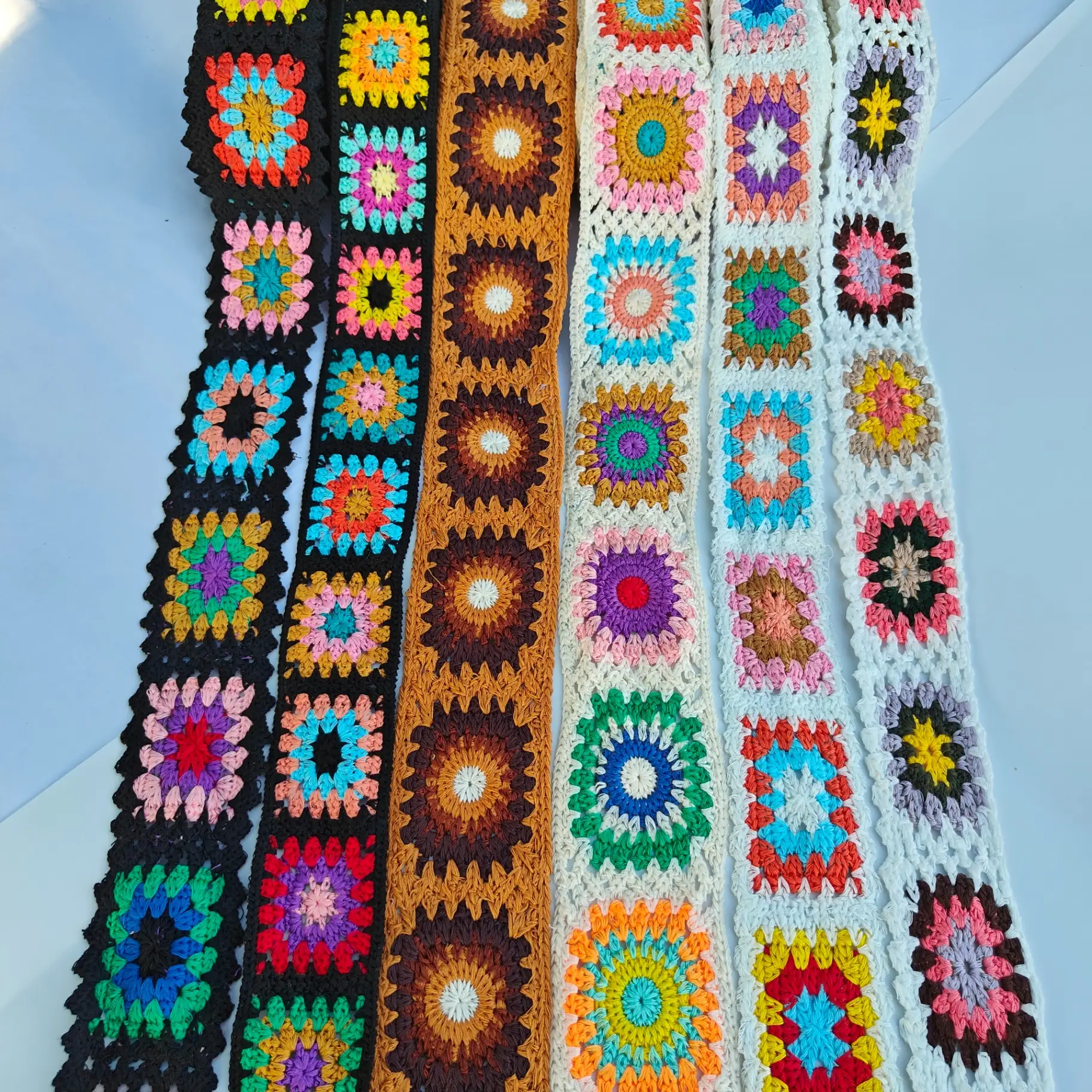
Request a sample that includes a full motif and the connections around it. View it both flat and in the intended garment position. Record the usable width or trim width, repeat direction and edge finish. For a granny-square appearance, for example, define the visible square size and joining layout rather than relying on the style name.
Ask about composition and finishing for that product. The composition of one floral lace does not establish the composition of every crochet-look design. Likewise, do not assume that an open appearance guarantees stretch, softness or a particular care method. These points need sample or test confirmation where relevant.
Compare equivalent briefs rather than process stereotypes
A handmade label is not a complete quality specification, and a machine-made description is not a price or delivery guarantee. Compare actual quotations for the agreed construction, finished dimensions, material, quantity and review requirements. Ask how a change in the motif or joining structure would affect the proposed sample.
Keep the approved reference and the sample version together. If a later revision changes the border, motif scale or material, review it before bulk production rather than treating the revision as a purely visual adjustment.
- State whether crochet appearance or actual hand-crochet production is required.
- Mark essential motif, opening and edge details.
- Confirm materials, dimensions and construction for the selected product.
- Approve the sample and use the agreed product description in subsequent orders.
Discuss your embroidery project
Send Zhijin a marked reference and explain whether you need a crochet-inspired appearance or a specific construction method. We can review the selected lace or discuss a development sample without assuming the two requirements are identical.
Contact Zhijin