Sourcing & Orders
How to Match Lace Trim to Garment Fabric Before a Bulk Order
Start with the face fabric from the garment you will make. Compare current stock shades on that fabric first. If the closest stock shade falls outside what your buyer accepts, use the physical face fabric to ask whether colour development is feasible for the chosen trim. Before approving bulk, review the full-width trim made in the intended construction and sew a portion onto the same layer stack as the garment.
Compare stock shades before requesting a new colour
Record the lace style, placement and colour relationship the design needs. A tone-on-tone trim, an accepted near match and an intentional contrast are different decisions. Request available shade samples for that style and compare them side by side. If one is approved, record its supplier shade reference and ask which quantity in that shade can be quoted.
If none is acceptable, ask whether a developed shade can be sampled on the exact design and construction, or whether a different lace construction needs to be considered. Ask what the trial would change and what it would keep. Hold bulk approval until that route has a physical submission you can check.
Mark the visible side of the garment fabric
Send a labelled cutting of the actual garment face fabric from the intended lot if available. Mark the right side, direction and garment position. Include a piece of the lining when it will show through the lace. For a colour-blocked garment, identify the one zone the trim needs to match. A colour card or photograph can help route an enquiry, while the marked cutting sets the physical comparison.
Put each candidate over the same layers, using the same face and orientation in the intended position. Compare under agreed lighting and, where relevant, a second light used for the finished garment. Record which sample is accepted and whether a known difference is acceptable in that position.
Check what each part of the trim can do
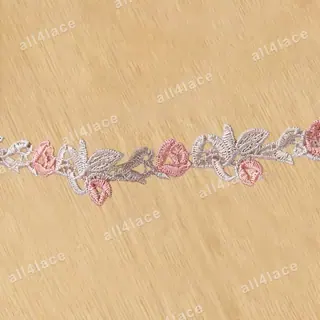
List the parts the selected trim actually has. These can include a ground or tape, embroidery thread, elastic, and attached decorations. Agree which parts should follow the face fabric and which may keep their existing colour or finish. Where there is no separate ground, record the actual embroidery construction.
Ask the supplier which components can be developed or selected in another colour for that trim and which must be approved separately. Published dyeing guidance ties suitability to the material, and a supplier may require a marked physical reference. The feasibility decision still needs to relate to the exact trim and sample submission.
Approve a full-width sample you can sew
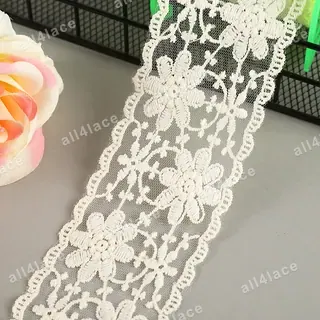
Request the intended construction at its full finished width, including the attachment band and at least one complete motif repeat where applicable. Ask for enough length to keep a reference and sew a second piece at the intended seam, neckline or cuff over the actual face fabric and lining.
Check the sewn result for colour and visible backing, then record finished width, usable sewing band, hand and drape. Where the design relies on stretch, compare how the assembled layers move and recover. Agree what the sample approves for care or testing if required. A shade chip can settle colour at an earlier stage, and the sewn sample settles the visible combination and handling.
Seal the sample and confirm the quote by colour
Give the approved submission a sample ID and revision. Keep labelled examples of the loose trim and sewn assembly with the marked face-fabric reference. Agree who signs approval and share the same record with the supplier. Include the style, colourway, selected component colours or finishes, sample version and any accepted shade difference.
Ask for a written line for each colourway. Verify the quote unit, quantity in that unit, any minimum per colour, any sampling or colour-development charge and what it covers. Ask for expected timing for the sample and bulk, and how a revised sample would affect the order. Where usable continuous length matters, record it in the quote brief.
Compare the received lot before cutting
On the order, name the sealed sample ID, approved colourway and reference fabric. Ask how each delivered lot or roll will be identified, and agree what should be sent for first-lot review if a pre-shipment review is required.
At receipt, keep different lot labels separate. Compare representative sections with the retained approved trim on the same fabric and under the same viewing conditions. Check the approved width and handle at the same time. Pause cutting on disputed lots and identify the affected roll or lot when reporting differences. A later dye lot needs its own comparison against the retained control.
Prepare a colour-matching enquiry
Send the trim code or shortlist, garment placement and quantity breakdown by colour. Tell All4Lace whether you want to review available shades first or enquire about developing a colour. Arrange how to provide the marked fabric cutting.
Ask for the available sample format, exact style and material compatibility, the quote unit and per-colour conditions before committing to bulk. The first step is to confirm what can be offered for the selected trim.