Customization & Sampling
Lab Dip vs Strike-Off vs Embroidery Stitch-Out: What Each Approves
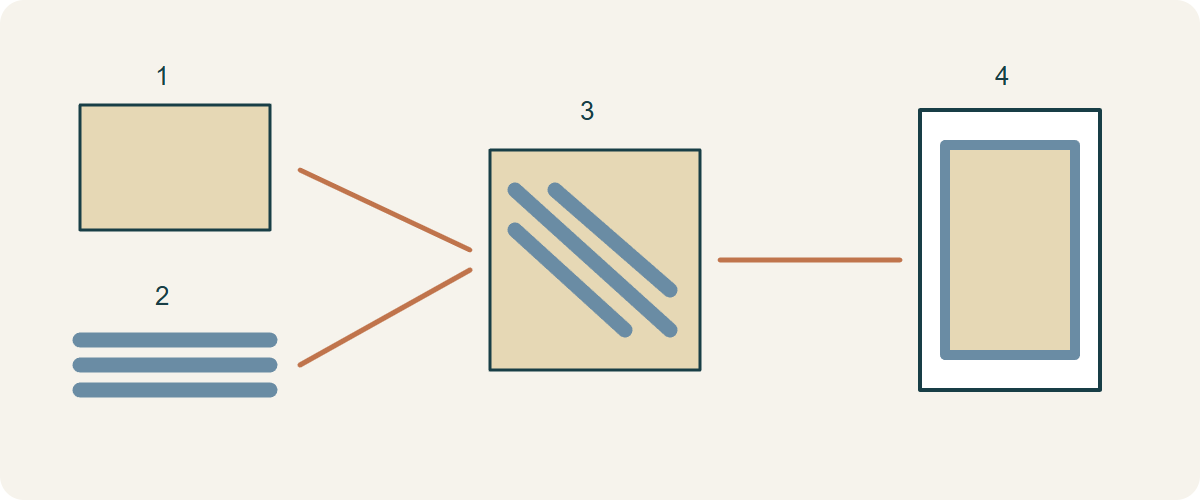
A lab dip is normally a small laboratory dyeing on the intended material; a strike-off normally refers to a print trial. Embroidery is commonly reviewed through a stitch-out or sew-out. Some suppliers also say embroidery strike-off, so define the submission physically rather than relying on its label. Approving a component colour does not approve the finished stitched surface, dimensions, attachment or bulk lot.
1. Identify the submission by material and process
Ask what was actually made: dyed ground, loose thread, stitched design, printed design or finished assembly. A word such as sample covers all of these and is too broad for a release decision. In a multi-supplier order, include who controls each component and who produces the combined reference. A colour swatch passed between suppliers without this identity can acquire an approval meaning it never had.
A manufacturer’s sampling account separates lab dips, print strike-offs and embroidery sew-outs. Use that distinction when writing your own order. If a supplier calls the embroidered submission a strike-off, define it as a stitched motif on the named ground, with named thread and finish. This article uses stitch-out for that item; it is not a claim that printing and embroidery are the same process.
Technical references
2. Match each object to a limited decision
A lab dip can support a decision about the submitted dyed shade on its identified substrate and condition. It does not by itself establish how a later production lot, finish or combined embroidery will look. A physical thread card identifies a thread family and candidate colour, but does not show the complete stitched appearance on the intended ground. Keep these objects as component references, then require the relevant combined sample.
A stitch-out reveals the selected thread, stitch direction, ground and design together. Its boundaries still depend on size, finishing state and assembly. A motif sewn on substitute backing is not the same evidence as that motif on the approved sheer ground. A partial design can answer a local detail question without approving the repeat, border placement or full-width distortion. Write those exclusions beside the approval, not in an unrelated email.
| Submission | Can support | Does not establish alone |
|---|---|---|
| Lab dip on named substrate | Candidate dyed shade | Bulk shade, embroidery geometry or fastness |
| Original-thread colour card | Candidate thread identity and shade | Stitched contrast on actual ground |
| Embroidery stitch-out | Submitted stitched combination | Untested care, full width or every bulk lot |
| Finished assembly | Specified layers and junctions together | Unrepresented sizes, revisions or lots |
3. Stock thread does not always need a lab dip
If an available thread shade is proposed, an original-thread card and a stitch-out may be the practical starting pair. Madeira’s own card page distinguishes actual thread from screen representations. That illustrates why a physical reference matters, without implying that All4Lace supplies or uses that brand. Record manufacturer or supplier, thread family, count and colour number as applicable; a colour number without its family can be ambiguous.
If a custom-dyed component is requested, confirm feasibility, responsible party, material and approval route before asking for a lab dip. Do not assume a fabric supplier owns every dyeing or printing step. The enquiry can remain about an embroidered fabric while a separately agreed party controls dyed-ground or thread development. What matters is that the accepted component is traceable into the combined sample, not that every stage is given the same sample name.
Technical references
4. A hypothetical ivory-and-blue development
Suppose a design uses an ivory sheer ground and two blue thread colours. The ground supplier submits dyed candidates A and B; the embroidery maker proposes stock thread references T1 and T2. The buyer chooses ground A, but that approval is limited to the submitted ground shade. A stitch-out S1 then reveals that T1 and T2 lose the intended contrast when stitched together. The ground approval has not failed merely because the combined design needs revision.
Ask for S2 with the agreed replacement thread while holding ground A and the relevant design variables constant. Keep S1 for comparison and note whether the final finish is included. If final finishing changes appearance, the accepted finished reference becomes a separate recorded stage. A message saying S2 colour accepted should identify which colours and which process state it releases, and should list dimensions, care and attachment as separate pending decisions when they remain untested.
5. Compare the same physical state
Compare a sample and its target under the agreed viewing conditions, on the intended backing and in a consistent orientation. Glossy stitches and sheer grounds can appear different when rotated or placed over a different layer. A phone photograph is useful for pointing to a revision, but it can change colour through lighting, exposure and display. Keep the physical reference as the approval anchor when colour accuracy matters.
If instrumental colour measurement is proposed for a complex surface, agree how it will sample the ground, thread or mixed area and how visual judgement is used alongside it. Do not impose a borrowed universal colour-difference tolerance on metallic decoration or multi-colour lace. A threshold is meaningful only with an identified target, measurement arrangement and buyer acceptance rule; the numerical value alone cannot define an entire embroidery match.
6. Write approvals as records of scope
A useful approval includes article, component identities, sample revision, submitted date, observed condition, approved attributes, exclusions and next required submission. Attach the labelled sample photograph and retain matching physical pieces with buyer and supplier where possible. If approval is conditional, state the exact permitted change and whether another physical submission is required; conditional acceptance should not become unrestricted permission by repetition in a forwarded email.
Bulk release needs evidence appropriate to bulk: representative first output, agreed lot comparison and the remaining dimensional, construction and care checks. A small lab dip is not a warranty that every metre of a later roll matches. If thread or ground is substituted, reopen the affected combined approval. Keep unchanged decisions intact so the process remains precise rather than restarting every review without a reason.
7. Resolve terminology before it becomes a delay
Do all embroidery orders require lab dips? No; it depends on whether a component is being custom dyed. Does strike-off always mean embroidery? No; it normally means a print trial and needs clarification if used for stitching. Can one full sample approve all attributes? Only if it represents those attributes and the required checks have actually been completed. An attractive sample is not evidence for an unperformed test.
When requesting a quotation, list the physical submissions you need and the decision each must unlock. That gives the supplier a concrete sampling scope and helps separate stock matching from new development. Ask who provides each stage and which references carry into the final embroidery; do not treat the absence of an unnecessary lab dip as a quality failure.
Discuss your embroidery project
For an All4Lace embroidery enquiry, send the actual ground reference, available thread references, artwork colour map and a list of attributes to approve in the stitch-out. Ask which components and sampling stages can be supported for your project.
Contact Zhijin