Quality & Delivery
Matching Embroidery Thread, Sequins and Beads: A Colour Approval Brief
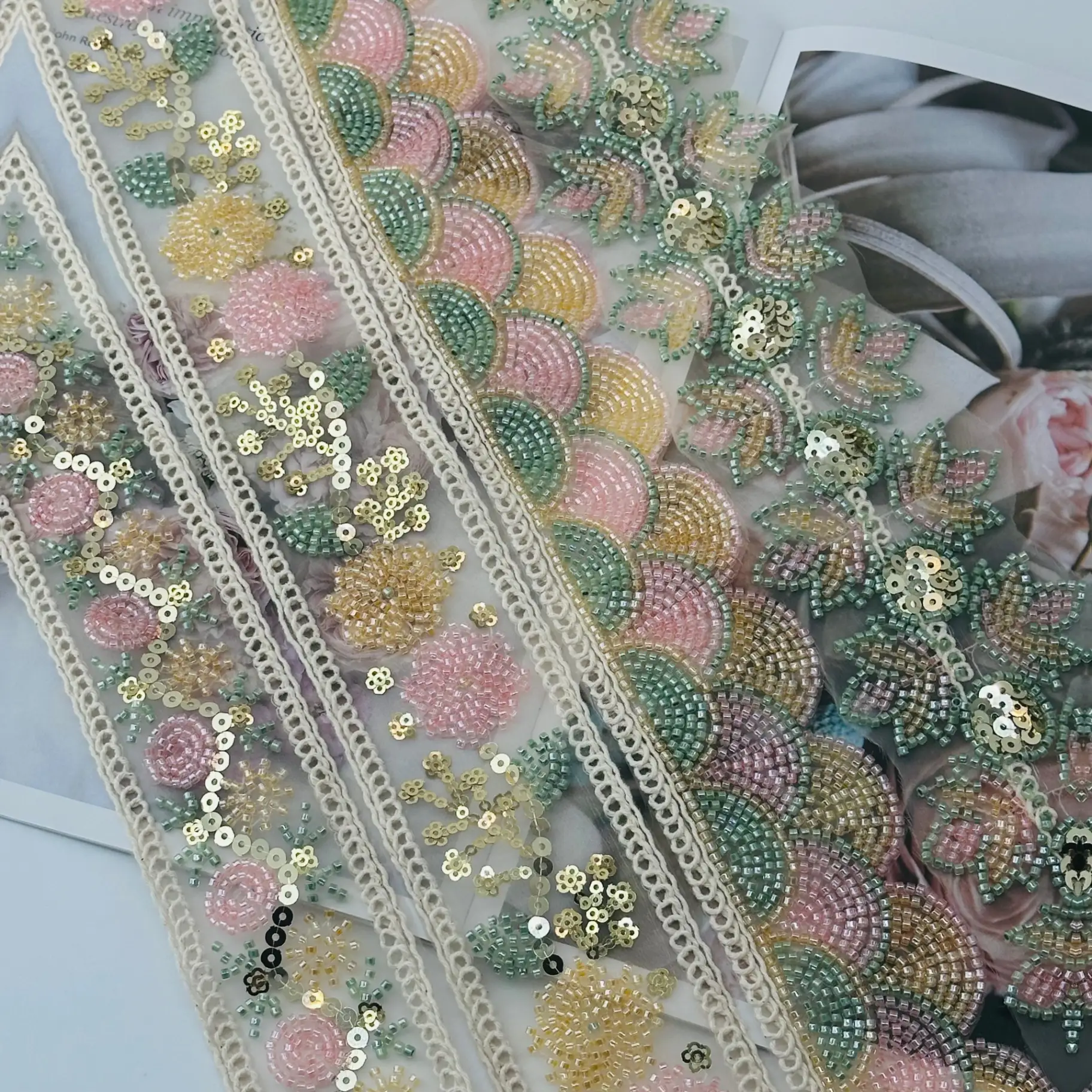
A request for matching gold embroidery can leave several decisions unresolved: the base, thread, sequins and beads may each have a different approved colour and finish. Define the intended relationship between them, then compare the assembled sample. A shared colour name is not a complete specification.
Give every visible material a reference
List the base, thread, sequin face, bead and lining as separate components where relevant. Attach a labelled physical reference to each. State whether the goal is a close match, a deliberate contrast or a tonal combination; the supplier should not have to guess from a single inspiration photograph.
Separate colour from finish. For each decoration, record the intended appearance, such as matte or reflective, using the selected sample as the reference. A colour code can help identify a target, but the request should still establish how that target will be reviewed on the actual material.
Agree the viewing conditions
X-Rite explains that two colours may match under one light and differ under another, a phenomenon called metamerism. This is a reason to agree lighting for approval rather than relying on one room or photograph.
Choose the viewing conditions relevant to the project with the buyer and supplier. Record the light source, sample orientation and comparison background. Review the components together, then the complete decorated sample with its intended lining. A phone image can document the sample ID and arrangement, while physical comparison remains the approval reference.
Technical references
Compare the same construction and viewing angle
Keep the sample orientation consistent when reviewing reflective decorations. If the effect changes as the piece moves, record both the agreed stationary view and a short movement video. Describe the difference seen rather than using an unqualified instruction such as make it brighter.
Use a simple comparison record: component, target reference, observed difference, requested action and approval status. For example, the thread may be approved while the bead finish remains open. This is a suggested review format, not a reported customer order. It prevents approval of one material from being mistaken for approval of the whole combination.
Keep the approved combination for production and reorders
Date and label the complete approved sample, component references and viewing conditions. Identify who approved it and which revision it represents. If numerical colour tolerances are required, agree the measurement method and limits with the responsible technical team; do not borrow a universal pass value from another material.
Before a repeat order, ask whether any component or finish has changed and compare the proposed combination with the retained sample. Approval should cover the actual offered materials. Colour approval alone does not establish resistance to cleaning, rubbing or light; define those performance evaluations separately if the project requires them.
- Component-by-component physical colour references
- Match, contrast or tonal intention stated
- Lighting, orientation and complete sample agreed
- Dated approval, open items and material changes recorded
Discuss your embroidery project
Send Zhijin your colour references, selected product and intended lining or garment material. Indicate which components must match and which may contrast so the sample brief is clear.
Contact Zhijin