Sourcing & Orders
Photographing Sequin Fabric for Sample Review: A Useful Evidence Set
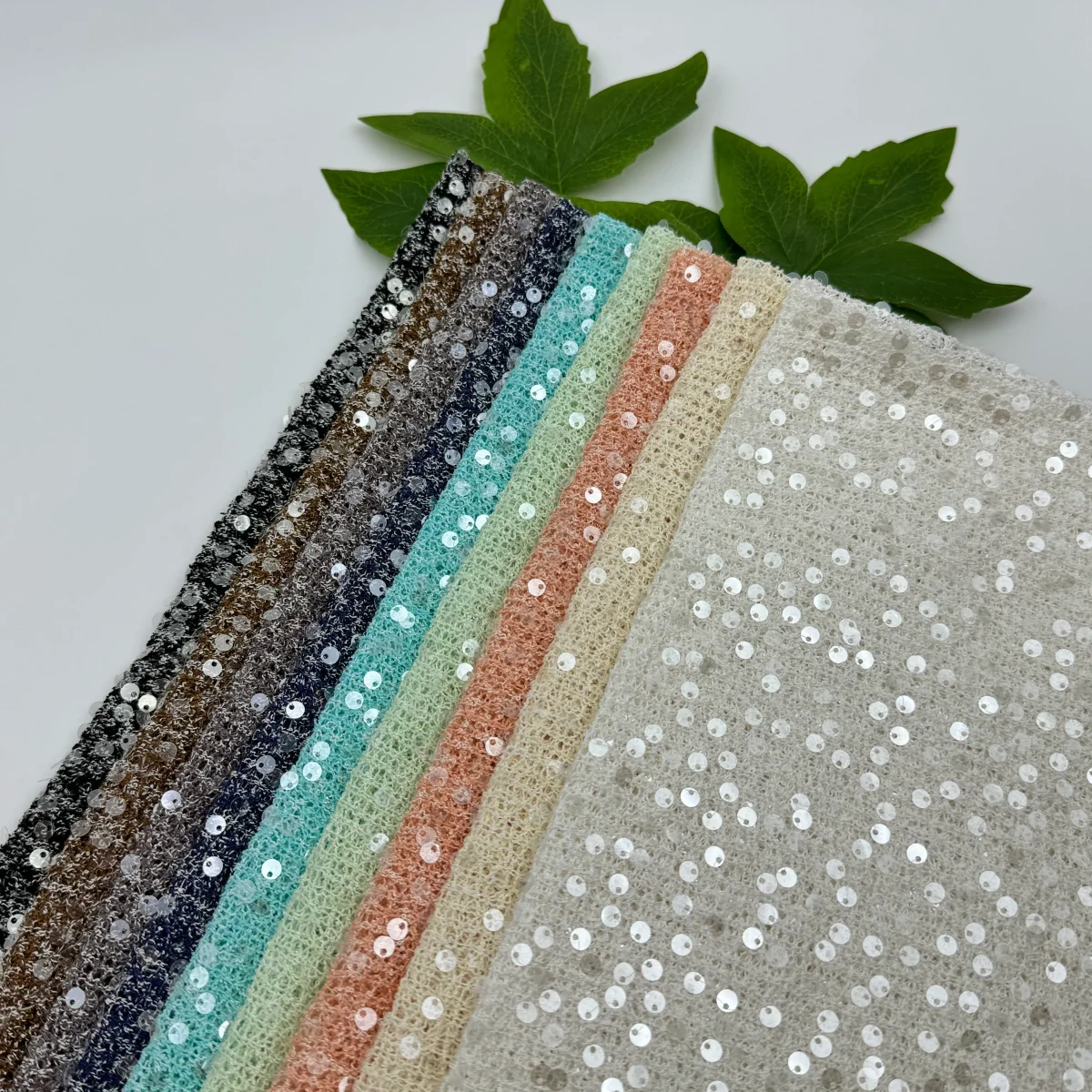
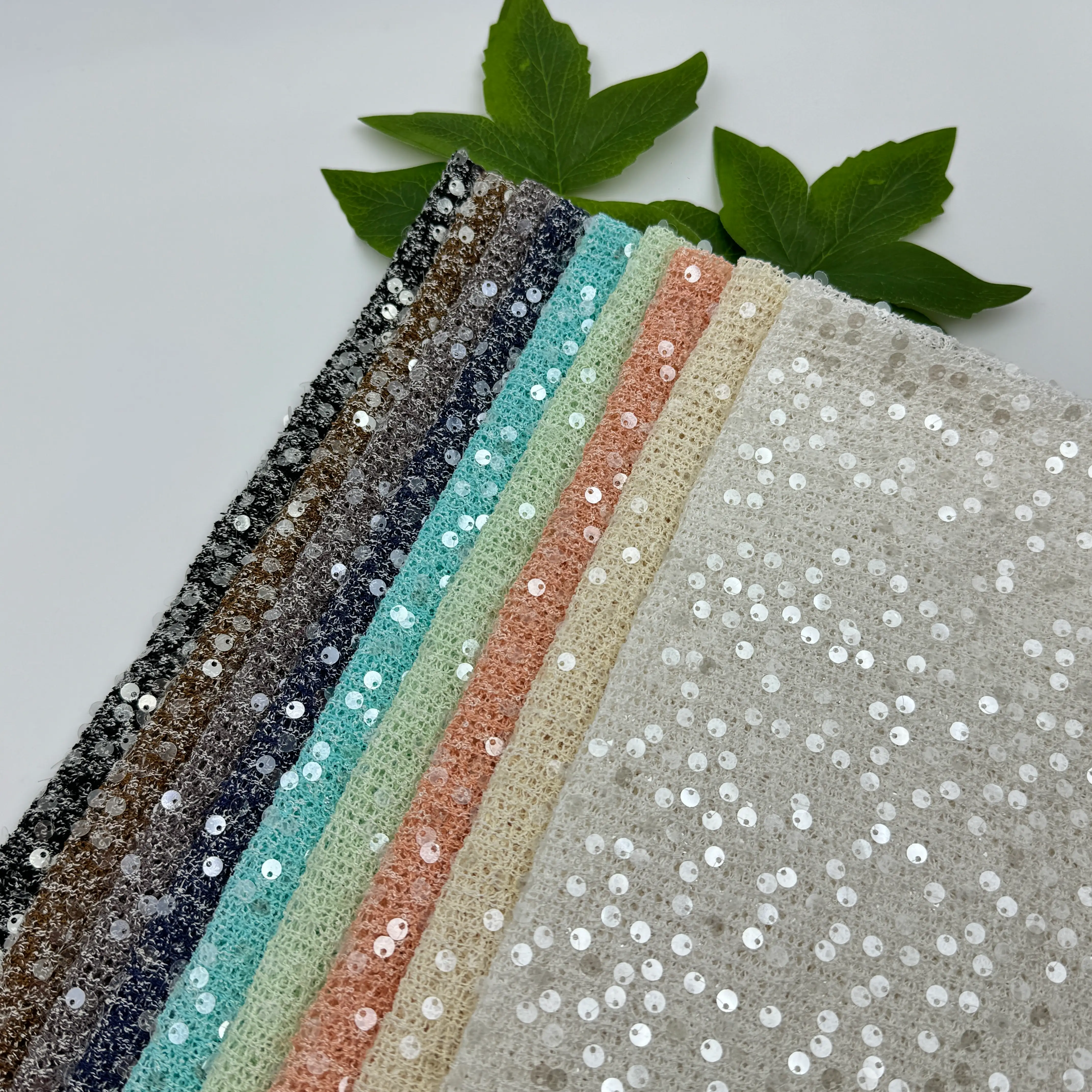
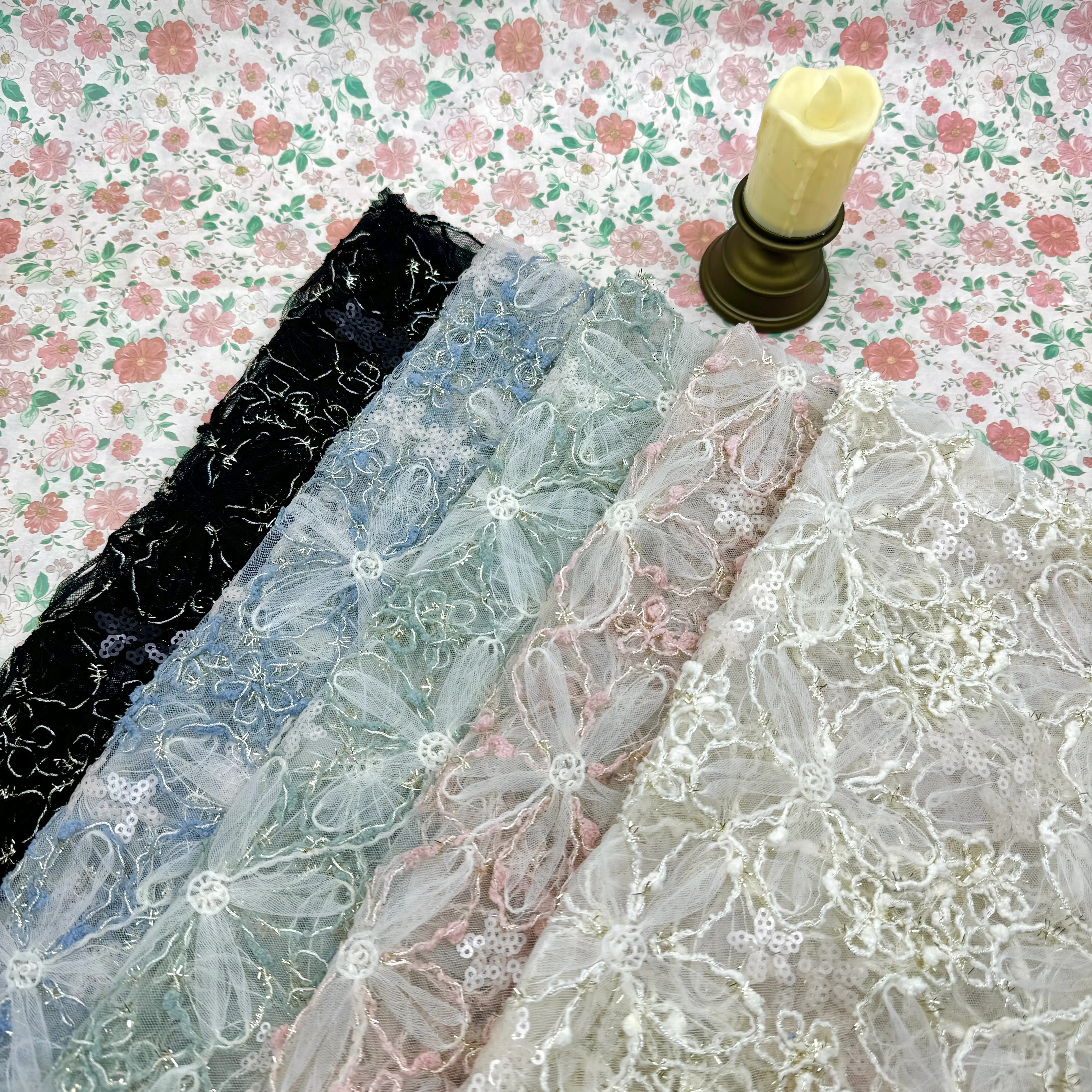
A useful sequin sample photograph shows what the material looks like and where the observation was made. One dramatic sparkle close-up is rarely enough. Send a small, clearly identified set: overall view, scale reference, relevant detail, reverse and a short movement view when that answers a specific question.
Keep the setup simple and repeatable
Choose a clean background that makes both the ground and decoration visible. Keep the sample reference beside the material, without client names or confidential order details. Use one deliberate lighting setup for the comparison rather than mixing a bright window, room lamps and a phone flash. Record any change when another setup is needed.
X-Rite’s discussion of viewing conditions shows why screen and physical viewing are not automatically equivalent. A photo should identify a shade option, not promise an exact colour match on every buyer’s device. Keep the unedited source image, avoid beauty filters and describe the lighting in ordinary terms. A critical colour decision still needs the agreed physical reference.
Technical references
Begin with the whole area and a scale reference
Make the first image wide enough to locate the motif, undecorated spaces and any relevant edge. If only a small swatch is available, say that the view is of that swatch rather than the full width. A close crop can be added later, but it should connect back to this overview.
For scale, place an appropriate ruler in the same plane as the sample and photograph it clearly. Keep the camera approximately square to the area being discussed; an angled ruler can make dimensions look different. State whether the sample is relaxed, held or stretched. A photograph is a communication aid, not a replacement for a required measurement method.
Connect face, reverse and detail views
Photograph the face and reverse of the same identifiable piece. Keep a small orientation marker outside the material or use the same edge in each frame. If the buyer is asking about a particular attachment or seam location, include an overview of that location before taking the detail image.
Focus on the actual question: a loose-looking section, the relation of decoration to the cutting line, or the appearance over a proposed lining. Do not cover a concern with a hand, label or decorative prop. If the material needs support for the photo, say what is underneath it so the buyer can interpret the view.
Use movement to explain reflections and direction
For reflective sequins, take a short continuous clip while changing the viewing angle slowly. Keep the starting position recognizable and show the same area throughout. A heavily edited montage may look attractive but make it difficult to compare the material before and after the angle changes.
If two-way sequins are involved, identify the starting face and record the intended change without implying that every sequin has been checked. Where the question concerns hanging behaviour, show how the piece is supported and its available size. A video can reveal an appearance difference; it does not create a standardized colour, drape or durability result.
Deliver a set that another team can navigate
Use a neutral sample reference followed by a view description, such as sample-A-overview and sample-A-reverse. Preserve the original files for review and place annotations on separate copies. Number the concern in both the overview and detail image so that a reply can point to one issue without guessing.
Send a short note explaining what was photographed, what remains outside the frame and which decision is requested. If an image is cropped for an article, retain the original privately and disclose any relevant limitation. Do not use image cleanup to repair a product feature that the buyer is meant to assess.
- One sample reference across all views.
- Clear overview before detail.
- Visible scale and sample state.
- Face and reverse of the same piece.
- Unedited originals plus separate annotations.
| View | Question it helps answer | Important limit |
|---|---|---|
| Overview | Where is the detail? | May show only a swatch |
| Scale view | How large is the area? | Perspective can mislead |
| Reverse | What does the same piece show behind? | Not proof of composition |
| Slow-angle video | How does reflection change? | Not a colour measurement |
Discuss your embroidery project
Send All4Lace the sample reference and the question you need to review, so we can discuss the views needed for that specific material.
Contact Zhijin