Quality & Delivery
Changing Lace Trim Suppliers: An Approved-Sample Transfer Plan
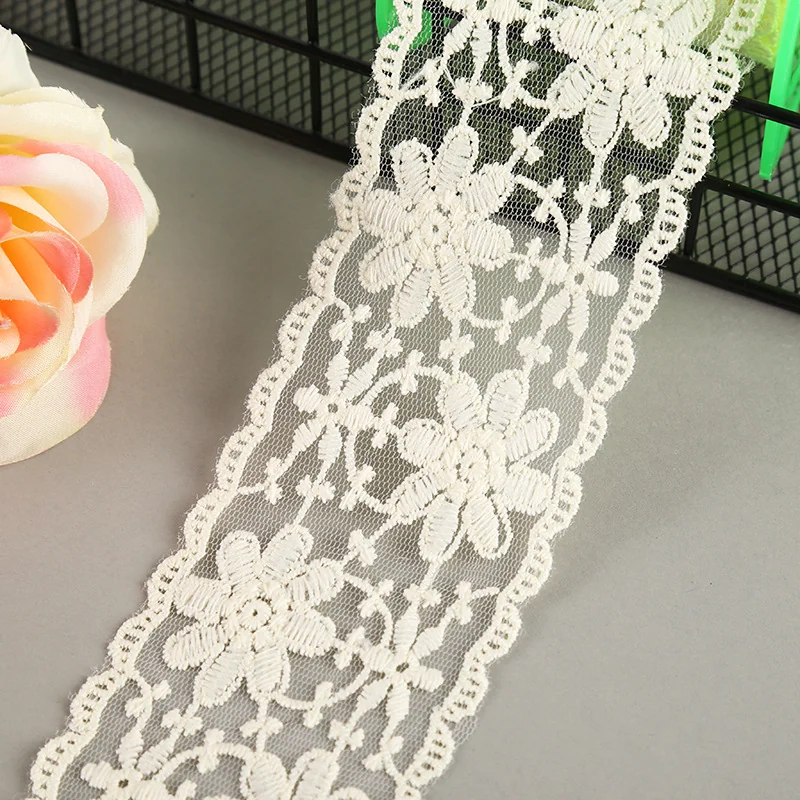
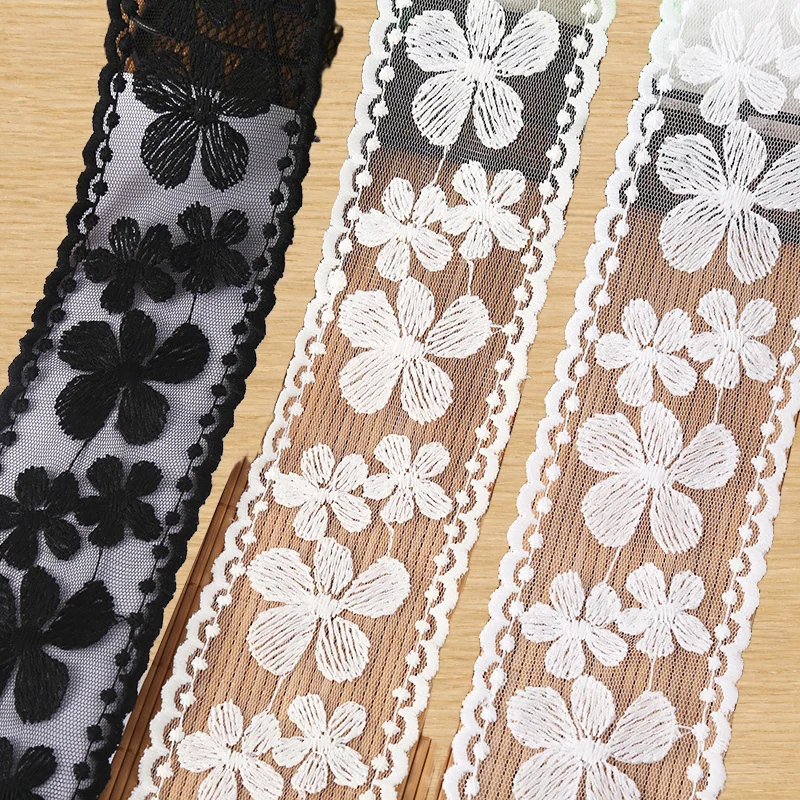
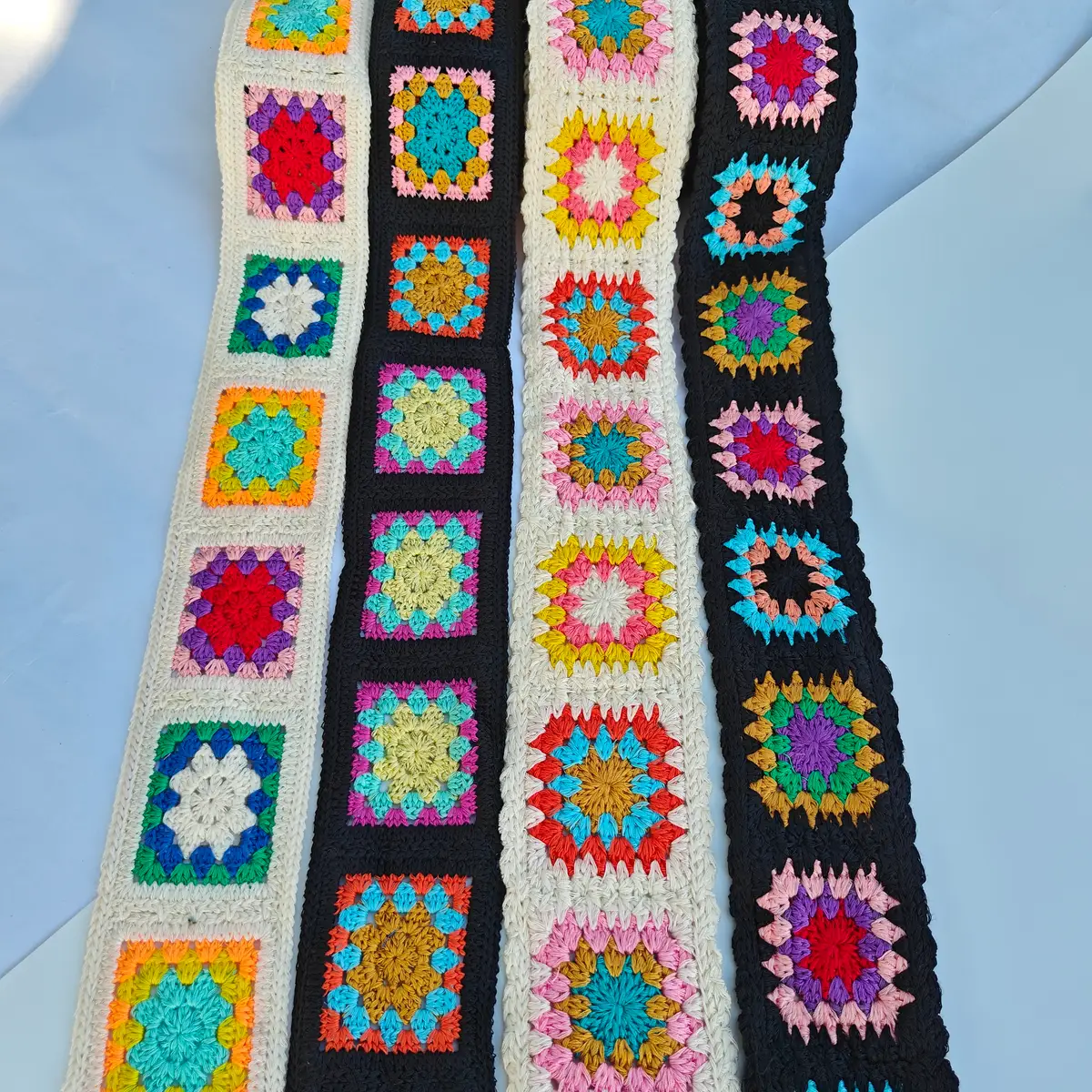
Replacing a lace supplier is a transfer of a material specification, not just a change of contact. A sample that looks close on a screen can differ in usable width, repeat, colour, handfeel or cutting yield when it reaches the sewing line. The practical aim is to make those differences visible before the first bulk lot is released. This guide sets out the sample records, inspection decisions and schedule milestones a buyer can use when evaluating All4Lace or another supplier.
1. State the problem the new supplier must solve
Identify the reason for transfer: inconsistent shade, changing width, unusable joins, communication gaps or missed milestones. Attach specific records from material you are entitled to share, such as a measured discrepancy or a dated approval. Avoid a brief that says only “same design, better quality”; it leaves the new supplier without a measurable target.
Separate what must stay identical from what may change. A buyer might require the same visible motif and cuff coverage while allowing a revised ground or thread, subject to testing. Record any permitted change and the approval needed. A lower price is not a useful comparison if it quietly substitutes an unapproved material or reduces usable length.
2. Send a labelled reference pack, not a photograph alone
Include the approved trim, a sewn application when available, the actual shell or backing and the target colour reference. Label each item with buyer code, date, revision and its role: appearance reference, material reference or approved control. A defect sample should be marked as a defect sample so it cannot be mistaken for the target.
Keep a retained counterpart with the buyer and agree which physical item governs when an old photograph, drawing and sample disagree. Confirm that the relevant design files and references can be used for the proposed development. Do not ask a supplier to infer an exact construction, composition or finish from an image of a finished garment.
3. Convert the reference into a measurable specification
Measure usable and overall width, repeat length, motif direction and the continuous attachment zone. Record the fibre declaration and how it is supported, the colour standard and viewing conditions, the sales unit and the required cut lengths. For a pair, identify left/right orientation and any need for matched motifs. These details control production decisions that a general product name cannot.
Agree the method and tolerance for each critical measurement before approval. Keep “nominal”, “measured” and “accepted range” as separate entries. If no tolerance has been agreed, mark it open instead of inserting a universal percentage. Where care or performance matters, identify the complete assembly, test method and acceptance criteria with the buyer.
4. Use factory evidence for the question it can answer
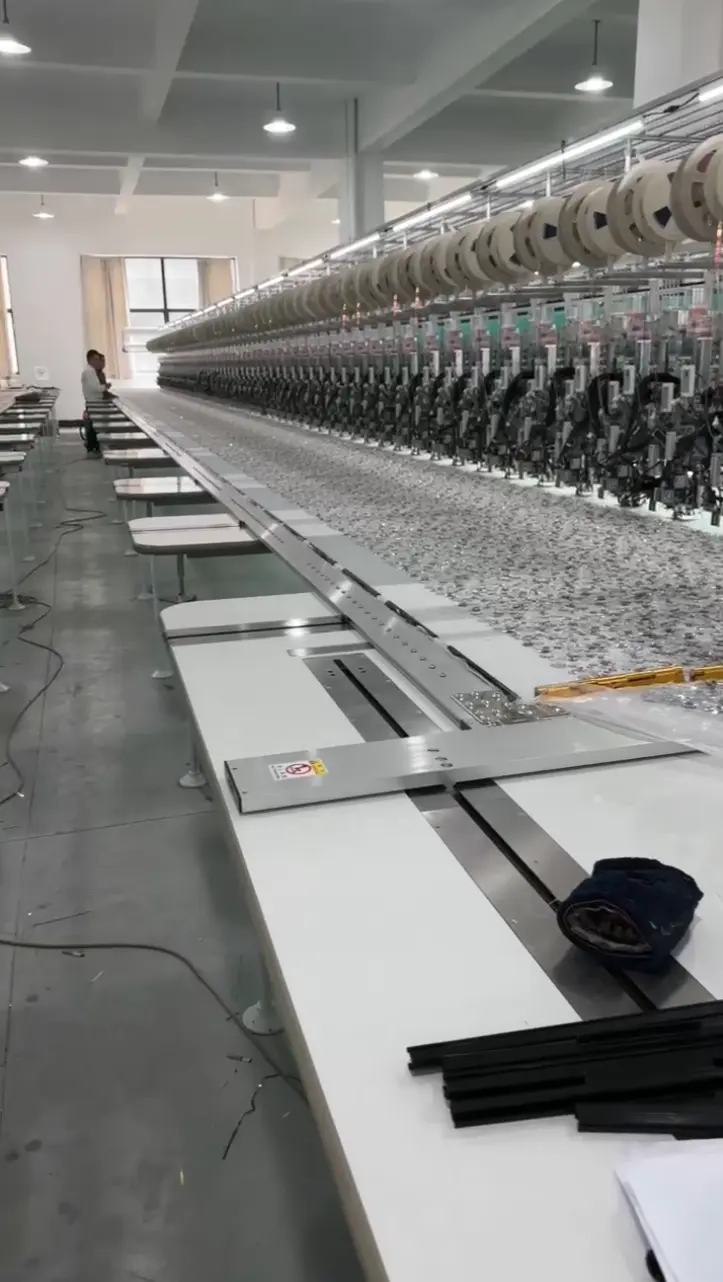
All4Lace / Zhijin operates in Shantou with a 4,000 m² facility and 40+ machines. Our factory photograph helps show the production environment. It does not establish that a specific design is scheduled, that the next lot will match a sample or that a customer order has passed inspection. Ask order-specific questions alongside any factory introduction.
If a delivery case or test report is material to supplier selection, request verifiable evidence that can appropriately be shared and check that its material, date and scope relate to your requirement. This page does not claim an independently verified customer transfer case or a performance result for the pictured trim. A process description must remain distinct from proof of a completed order.
5. Separate appearance approval from production release
An initial selection sample answers whether the direction is worth developing. A sewn application sample answers whether it works on the intended cuff, garment or backing. A pre-production approval identifies the material and construction intended for bulk. Name these stages in the order record so an early “looks good” message cannot be interpreted as permission to manufacture every quantity.
Keep dated approval photos and retained physical samples, with the precise conditions still outstanding. If colour is approved but width is not, say so. After a material, finish or design revision, decide what must be rechecked. Do not carry an old approval forward simply because the supplier has reused the same style number.
6. Inspect the first bulk lot against the retained control
Agree the sampling plan, lot definition, defect classification and acceptance decision before inspection. A four-point fabric inspection system is not a substitute for every narrow-trim or finished-application requirement. Select checks that match the order: width, repeat, shade, attachments, joins, usable continuous lengths and identification. Do not announce an AQL level as if it were already part of the agreement.
Record roll or package identity, where the sample was taken, measured results and photographs with a scale when relevant. Compare shade under the agreed lights and review an application cut if the buying decision depends on a matched pair or a continuous motif. Preserve enough evidence to trace a finding to the actual lot rather than a generic product photograph.
7. Decide how deviations are contained and resolved
When a critical difference appears, identify the affected lot and pause the relevant release decision while it is reviewed. Document the agreed response: segregation, rework, replacement, revised approval or rejection. Do not blend suspect rolls with accepted material or accept a verbal promise without specifying what will be corrected and how it will be checked.
Record whether the issue changes the sewing process, usable yield or delivery milestone. A buyer-approved change may be acceptable for one application and unsuitable for another, so limit it to the named order and version. Close the deviation only when the agreed evidence has been reviewed by the responsible person.
8. Replace a vague lead time with written milestones
Ask what starts the quoted lead time and which approvals or materials it depends on. Record separate milestones for sample dispatch, buyer approval, material readiness, production, inspection and dispatch. Distinguish factory dispatch from arrival at the final destination. Neither a factory photo nor a historical catalogue estimate confirms the schedule of a new order.
Assign an owner and required evidence to each milestone. If colour approval is delayed or a rework decision changes production readiness, update the downstream dates explicitly. Schedule confidence comes from resolved dependencies and current records; this guide does not promise a universal turnaround or an order-specific delivery date.
9. Keep one transfer sheet for the first order and reorder
Use the following sheet as the starting point of the supplier discussion. At reorder, reuse the approved identity and ask what has changed, rather than starting again from a product screenshot. Add results only after the real inspection or delivery has happened; an empty result field is more useful than an invented successful case.
| Record | Evidence and release decision |
|---|---|
| Reference identity | Buyer code, supplier reference, revision, retained samples and permitted changes |
| Specification approval | Measured dimensions, material evidence, colour standard and signed open points |
| First-lot inspection | Lot IDs, agreed sampling, actual findings, deviations and disposition |
| Delivery milestones | Responsible party, dependencies, current dates and actual completion evidence |
Discuss your embroidery project
Send All4Lace the labelled reference pack, the specific problem to solve, intended use, quantity by colour and target delivery window. Ask for a sample-transfer proposal that identifies unconfirmed specifications, approval gates and current commercial conditions before placing the first bulk order.
Contact Zhijin