If you have found a lace you like in a sample book, start with its edition, page and printed reference. Check whether the entry is a photograph, a shade card or a piece of the exact material. Ask the supplier to connect it to a current product code and shade before comparing prices. Use a current physical sample to record what you accept for the order.
Identify exactly what is on the page
Record the book title or edition, page number and the printed code. Where the edition is unknown, note when or where you received it and ask the supplier to identify the edition. A photo-only page helps identify the design. A mounted offcut can show the actual surface or handle within the area shown. A shade card may represent colour on a different material, so ask which material is attached before relying on it.
Keep the entry type in your notes alongside the code. A trade sample book can contain several types of presentation, as Bridal Fabrics illustrates in its sample information. Two similar-looking pages may need different next steps. A printed page calls for a physical swatch if feel or construction matters. An existing material swatch gives you a comparison point for the next sample.
Sources & further reading
Match the old page to the current product and shade
Send the page details and any visible supplier reference. Ask the supplier to reply with the current product code, shade code and version or construction, where these are tracked. Confirm whether the existing reference can still be quoted, has changed or has been withdrawn. If the supplier suggests a substitute, list it separately with the previous reference and the differences to check. Keep the old page for comparison.
Some suppliers provide both active and discontinued sample-book lists. United Fabrics offers an example in upholstery. If your lace supplier has no list, ask for a dated reply per item and per shade. An unresolved book reference stays on your shortlist until the connection is documented.
Sources & further reading
Ask for a usable quote by style and shade
Ask two separate questions for each current style and shade. Can you obtain a physical sample for review, and can the supplier quote the quantity you need in the intended configuration? Check whether the offer is per metre, per yard, per piece or another stated unit. Record the quantity and unit together, along with any minimum, valid price date, or minimum uninterrupted section if relevant to the cut.
SWATCHON’s lace listing illustrates why the distinction matters. It separates a colour swatch option from order yardage and allows separate enquiries about wholesale availability by colour. Your own quote should carry the confirmed product code and shade on the same line, with the supplier’s current conditions.
Sources & further reading
Approve the current material, then keep a reference
Ask what lot or development stage the submitted material represents. Yau Yuen notes that the colour and handle of a swatch-book cutting can vary by production batch. Compare the current sample with the requirements for your garment. If the area mounted in the book is too small to check the repeat or construction you need, ask for an appropriate additional sample.
Label what you approve with the current product code, shade, sample ID or date and the checks you performed. Keep the older page with the record so its meaning remains clear. Before release, write the approved sample reference on the quote or order. If the supplied material changes, decide which observations need to be checked again.
Sources & further reading
Example: move a book entry onto the order
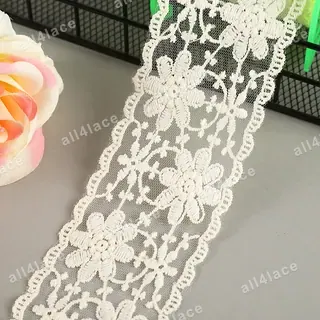
Suppose page 14 in an older book has a photograph of floral lace. The supplier confirms a current code and shade and has a new physical sample for review. Record the old page as an identification reference; use the new sample for the surface and construction check. Write the quoted unit next to the quantity and add the approval reference when the sample passes your review.
On page 19 you have an actual swatch, but the supplier confirms the shade has been withdrawn. Record the original shade as withdrawn. Enter a proposed replacement on a separate line, request its own sample and put it on the order only after the relevant checks. Use the fields below so another buyer can see what happened.
- Book title and edition or receipt date / page and printed reference / evidence type.
- Current product code and shade / current, changed, withdrawn or pending / supplier reply date.
- Quoted unit and quantity / relevant terms / sample type and identifier.
- Approved material reference and checks / order line / person and date of approval.
Send the references you want to compare
Share your numbered references, shade choices and intended quantities with All4Lace. Ask about the current product references and the sample options relevant to your purchase. You can also ask about a numbered catalogue for purchasing.
The related catalogue items illustrate how to identify a current product code. The available material and quotation terms are confirmed for your selected reference and shade.